
Antonio Esfandiari's $18.3M Big One for One Drop Victory
The 2012 Big One for One Drop had a $1 million buy-in. Antonio Esfandiari won it. The story behind how that tournament came together, who showed up, and what the payout actually meant is worth telling properly.
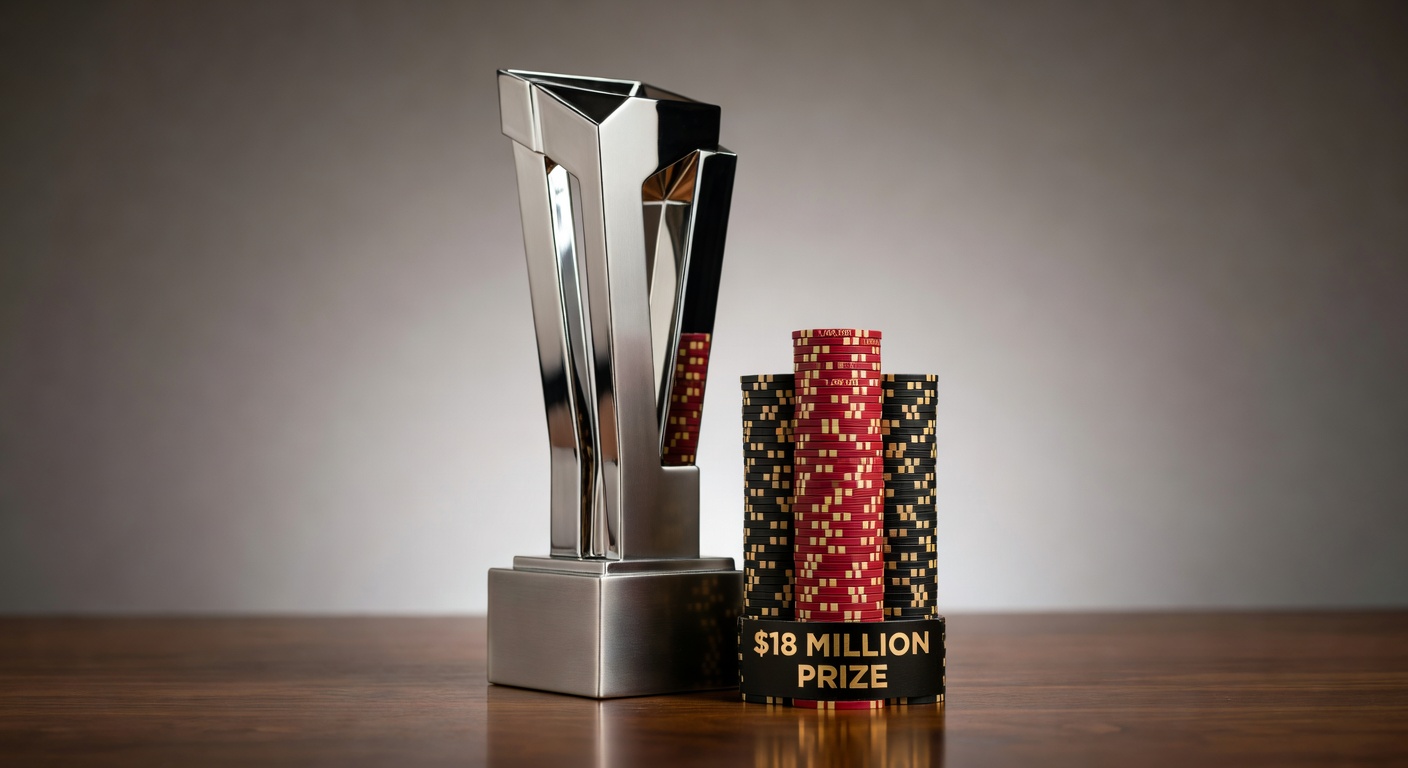
The buy-in was one million dollars. Not a satellite. Not a rebuy with some extra juice on top. One million, flat, per player. And out of that, a hundred grand went directly to Guy Laliberte's One Drop Foundation before a single card was dealt.
That was the deal. Laliberte, the Cirque du Soleil founder who had taken up poker with the kind of bankroll that makes a million-dollar buy-in something between a serious commitment and a rounding error, designed the event specifically around a charitable premise. The World Series of Poker gave it a bracelet. The field had 48 players.
Forty-eight players.
The Field and the Money
You think about the money for a minute. Total prize pool was $42.6 million. First place was $18.3 million. Second place was $10.1 million. Third was $6.1 million. The min-cash at a tournament with a $1 million buy-in was $1.12 million. The worst outcome for anyone who made the money was to leave with a slight profit. The worst outcome for anyone who didn't make the money was to lose a million dollars.
The field included Laliberte himself, who had been accumulating live tournament results for several years. Phil Hellmuth played. Sam Trickett, who would finish second. Tom Dwan made the final table. These were not names making up the numbers. This was a genuine $40 million pot in the most literal sense of the expression.
And then there was Antonio Esfandiari, born Amir Esfandiari in Tehran, raised in San Jose, who had been a professional magician before becoming a professional poker player and who had already won two WSOP bracelets before the Big One.
How the Final Table Played Out
The final table had eight players. Esfandiari arrived with a chip lead that he managed carefully over hours of play. Sam Trickett of the UK came in as the most significant threat; Trickett had been one of the best cash game players in the world for several years running and had substantial backing behind his buy-in.
The heads-up match between Esfandiari and Trickett lasted long enough to become a genuine contest. Trickett was not overmatched. The money difference between first and second place was $8.2 million. That number changes the texture of every decision in a way that few tournament players ever experience.
Esfandiari won. The 2012 bracelet, in a box you'd need a truck to move the accompanying check. $18.346 million.
What the Win Meant in Context
The previous largest live tournament prize was Jonathan Duhamel's $8.9 million from the 2010 WSOP Main Event. Esfandiari's number was more than double that. It was also, notably, a tournament that would not have been possible outside the specific conditions of 2012: a WSOP willing to create an ultra-high-roller format, a celebrity benefactor with the profile and the bankroll to generate buy-in action among other wealthy recreational players, and a field large enough to create a life-changing prize without being so large that the structure lost meaning.
The Big One has run most years since. The 2022 edition had 35 entries and paid $17.8 million to first-place finisher Bryn Kenney. The 2023 version drew 52 entries and paid $21.7 million to Phil Hellmuth. Esfandiari's win established the event as a legitimate fixture on the high-roller calendar rather than a one-time promotional novelty.
The Floor View
From a floor perspective, a $42 million prize pool tournament with 48 players is a logistical event unlike anything in standard tournament poker. You're not running chip counts every hour. You're not worrying about re-entry chaos. You're watching a small, extremely capable field negotiate enormous chip-stack pressure with full awareness that every chip decision carries more expected value than most players will see in a year.
Esfandiari's chip management throughout the event was notably tight. He did not accumulate through reckless aggression. He picked spots, maintained positional advantage, and avoided the kind of high-variance confrontation that would have made his stack distribution irregular. It looked like someone who understood, at a structural level, that the payout cliff between first and second was too significant to gamble away carelessly.
Thirteen years on, the number still stands as the largest single-tournament prize any player named Esfandiari will ever collect. The chip stacks have gotten smaller in memory. The magic tricks stay the same.
Markets in this line
Keep reading
Same market
 Big WinsImplied Probability Formula for Every Odds Format
 HistoryClosing Line Value Calculator: The Math Behind CLV
 Big WinsTerrance Watanabe's $127 Million Loss at Caesars Palace
 GuidesUnderstanding Slot Variance: A Player's Guide
 SlotsBet Size Matters More Than Spin Count
 Live CasinoDeal or No Deal Live: Rules and Expected Value