
Phil Hellmuth: Inside the Poker Brat's 17 Bracelets
Phil Hellmuth has won 17 World Series of Poker bracelets. He is loud and controversial. But underneath the dramatics is a player who has won more tournaments than almost anyone.
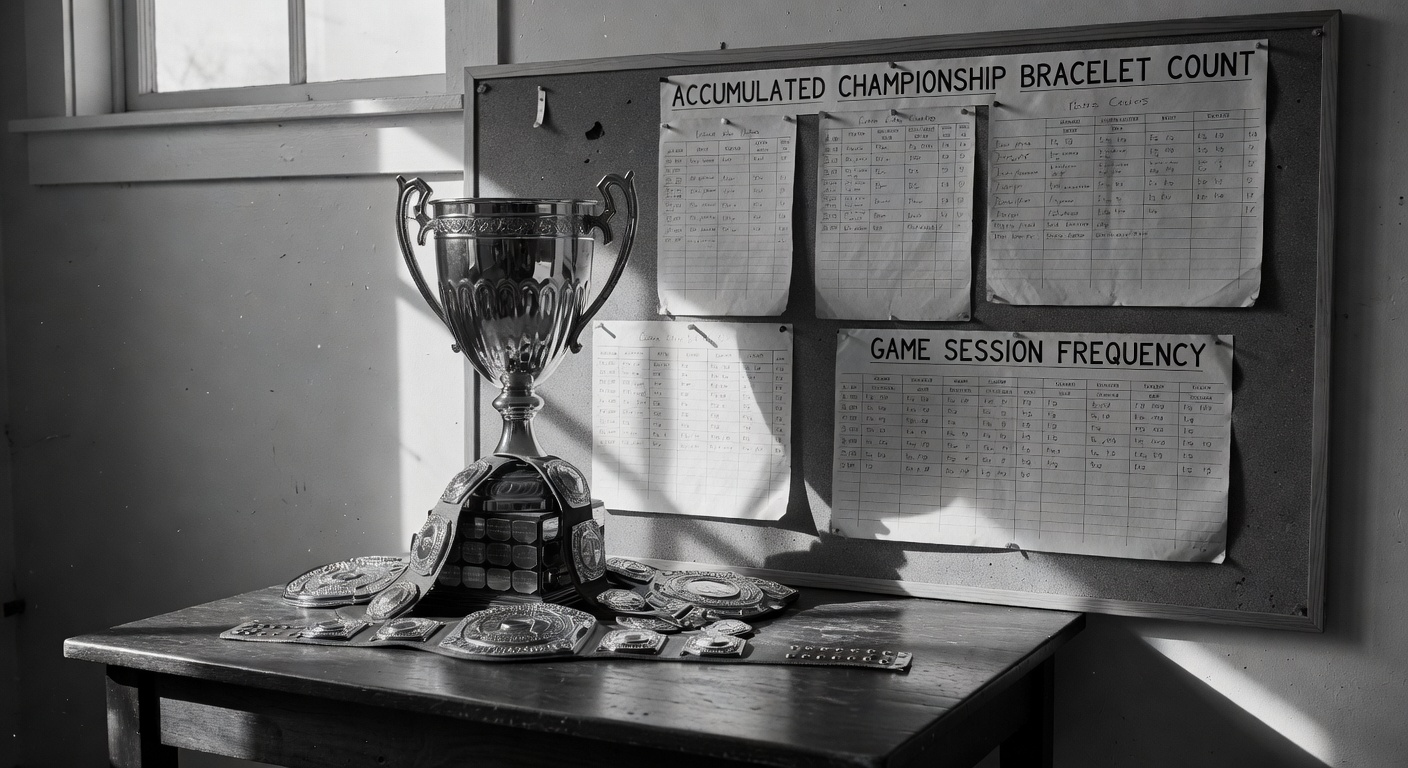
Phil Hellmuth is known for being theatrical. He tilts at the tables, he argues with dealers, he accuses opponents of playing badly when they beat him. People find him exhausting. I do not judge people for being the way they are, but I also do not have to like how he acts. What I do know is that the man has won seventeen World Series of Poker bracelets, and that accomplishment stands regardless of his temperament.
A bracelet is awarded to the winner of a WSOP tournament event. Thousands of players compete each year. The odds of winning a single bracelet are low. Phil has won seventeen. This means that across his poker-playing career, he has beaten thousands of other players, tournament after tournament.
How did he do it? First, he learned young. Phil was playing in casinos while he was still in high school. He had access to the game earlier than most people. Second, he is naturally intelligent. Poker requires pattern recognition, probability calculation, and rapid decision-making. Phil has the mental hardware for it. Third, he has a specific playing style: aggressive, loose, unafraid of getting all his chips in the middle. This style creates variance. Some tournaments he runs great and wins huge. Some tournaments he busts early because he took a bad risk. But over time, the aggressive style generates enough wins to accumulate bracelets.
What is sometimes overlooked is that Phil's bracelets are spread across different tournament formats. Some are small buy-in events (ten thousand players, small prize). Some are large events (hundreds of players, large prize). The mix means he has not just beaten one type of opponent. He has beaten a range of players of varying skill levels.
He is also a cash game player, though less famous for it. Winning at cash games requires different skills than winning at tournaments (tournaments reward aggression and risk-taking; cash games reward patience and exploitation). Phil's best work is in tournaments, but his earning power in cash is also substantial.
The Difficult Part
What makes seventeen bracelets meaningful is that each one required elimination of hundreds of opponents. A tournament with five hundred players requires you to beat every single one eventually. Phil has done this seventeen times. That is a remarkable achievement that I do not think should be diminished by his table demeanor.
But I also believe that his table demeanor has cost him money and opportunity. Casinos have refused to seat him at high-stakes games. Other players take satisfaction in beating him specifically because he is annoying, and sometimes that extra motivation makes them better opponents. Tournament organizers have had to manage his behavior. None of this helps his bottom line, even if it is entertaining to observers.
The Honest Assessment
Phil Hellmuth is the most decorated tournament player in WSOP history (tied with a few others). His record speaks. He is also a person whose personality makes many people uncomfortable, including his opponents and fellow professionals. Both things are true. I do not have to separate them or rank one as more important. The bracelets are real. The behavior is real. Neither negates the other.
Markets in this line
Keep reading
Same market
 HistoryClosing Line Value Calculator: The Math Behind CLV
 Big WinsTerrance Watanabe's $127 Million Loss at Caesars Palace
 GuidesUnderstanding Slot Variance: A Player's Guide
 SlotsBet Size Matters More Than Spin Count
 Live CasinoDeal or No Deal Live: Rules and Expected Value
 PokerMolly's Game: The Real Story Behind the Hollywood Poker Nights