
Molly's Game: The Real Story Behind the Hollywood Poker Nights
Molly Bloom ran a poker game for celebrities, athletes, and finance guys. The story's more interesting than the movie, and sadder.
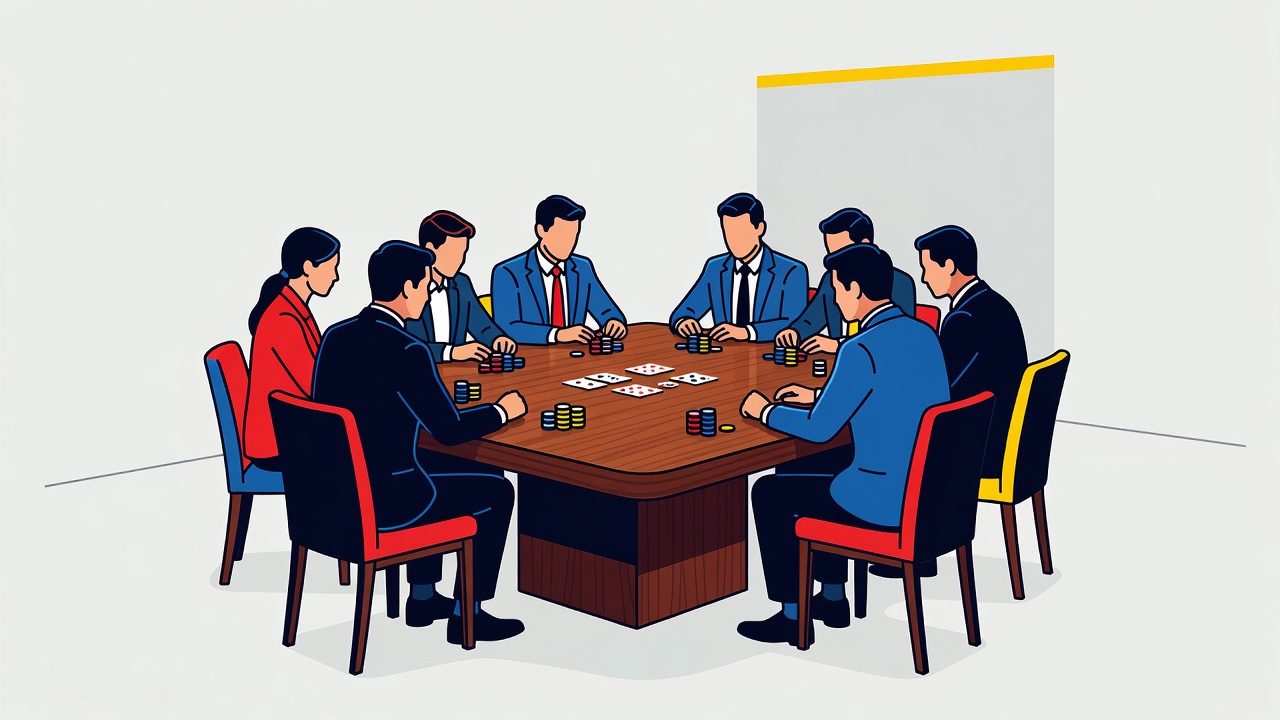
Molly Bloom was a river guide's daughter who ended up running one of the highest-stakes illegal poker games in Los Angeles. That's the Hollywood version. The real version is more complicated, and it ends worse.
She started as a cocktail waitress in Los Angeles, working clubs where rich people gathered. She noticed a pattern: high-net-worth individuals (celebrities, athletes, finance guys) wanted to play poker, but they wanted it private, unregulated, and with assurances that nobody was recording or cheating them. Bloom saw an opportunity. She started organizing games, then hosting them, then running them.
By 2009, Bloom's games had migrated from mid-tier Los Angeles restaurants to a suite at the Viper Room in West Hollywood. The stakes were substantial. Buy-ins started at 10,000 and could run to 100,000 or more per player. The games would last until the money stopped moving or the players went home. Bloom took a rake: 5 to 10 percent of each pot, sometimes more for larger games.
The Players
The names matter because they explain the game's appeal and its eventual collapse. Bloom's regular players included actors (Ben Affleck was reportedly a regular), professional athletes, tech entrepreneurs, and finance guys from the City National Bank crowd. The games were invitation-only, which created exclusivity and reduced the chance of law enforcement attention.
The unspoken agreement was that the game existed in a gray zone. Everyone playing understood it was illegal in California (unlicensed gambling) but that the consequences of being caught were low for the players and moderate for Bloom. She'd face fines, maybe jail time. The players would face embarrassment and possibly a brief news cycle. Nobody was facing serious felony charges unless money laundering or organized crime became provable, which it wasn't.
The game also served a social function. These were high-status individuals in Los Angeles. The poker game provided a venue where they could see each other, compete, and blow off money in a controlled setting. For some, it was entertainment. For others, it was ego work. For Bloom, it was a business.
How It Worked
Bloom acted as the house. She fronted the game, secured the venue, provided dealers (eventually hiring professional dealers she'd vetted), and managed the rake. She also held IOUs from players who lost more than they could cover in a single night. That's where things got legally gray and then legally black.
One notable player, a hedge fund manager with a reputation for big losses, owed Bloom a substantial sum (hundreds of thousands of dollars) by 2010. He couldn't or wouldn't pay. Bloom, at this point operating as the house rather than as a neutral game organizer, had a choice: absorb the loss or pursue collection. She pursued collection, which meant she was now acting as an unlicensed lender and attempting to recover a gambling debt in a jurisdiction where collecting on gambling debts is legally complex.
That situation escalated. The player refused to pay, Bloom escalated her pressure, and eventually the situation drew the attention of people who weren't celebrities or finance guys. People with genuine criminal affiliations started to know about the game. That's when Bloom realized she'd created something that had outgrown her ability to manage it safely.
The Collapse
FBI and Los Angeles law enforcement became interested in the game around 2011. They were ostensibly concerned about money laundering; in practice, they were interested because the poker game intersected with organized crime adjacent figures. Bloom was targeted not as a major criminal but as someone who could be pressured into cooperation.
Bloom refused to cooperate. She also refused to shut down the game, believing (apparently) that keeping it running would keep her control intact. That belief was incorrect. The FBI approached the venue, approached players, and eventually made clear that the game was under investigation. Players started dropping out. The venue became a legal liability.
By 2013, the game was effectively over. Bloom was indicted on charges related to illegal gambling and money laundering. She faced years in prison. She eventually pleaded guilty to a single felony count and received three years of probation and a 250,000 dollar fine.
The Aftermath and the Book
Bloom wrote a memoir called "Molly's Game," which was picked up for film adaptation. The film came out in 2017 and sanitized the story considerably. The movie emphasized Bloom's intelligence, her organizational skills, and the glamour of the high-stakes poker world. It downplayed her debts, the genuinely criminal elements that eventually became involved, and the psychological toll of being a young woman operating in that environment.
The real story is sadder. Bloom built something that worked until it didn't, then refused to exit when she should have, then faced federal charges and the dissolution of her business and social network. She had no savings accumulated (the rake went back into the game or into player reimbursements), and she ended up broke, prosecuted, and permanently marked by the case.
The Larger Point
Bloom's game is interesting as a case study in the structure of illegal gambling. The game only worked because all the participants had reputations worth protecting. If you're a celebrity or a finance guy and your presence at an illegal poker game becomes public, the reputational damage exceeds the legal consequence. That constraint kept the game private and low-profile. But it also meant that when law enforcement became interested, there was no plausible deniability: everyone there had records, connections, and visibility.
A truly illegal underground poker game in a real criminal context operates without that constraint. The players are professional gamblers, organized crime associates, and people for whom the reputational risk is less than the financial potential. Those games are much larger, much more criminal, and much more dangerous. Bloom's game was a high-stakes social club for wealthy people who wanted to gamble. That's not glamorous. That's just boring crime that happened to involve celebrities.
Markets in this line
Keep reading
Same market
 Big WinsTerrance Watanabe's $127 Million Loss at Caesars Palace
 CelebritiesPamela Anderson's Poker Losses and Baywatch Paychecks
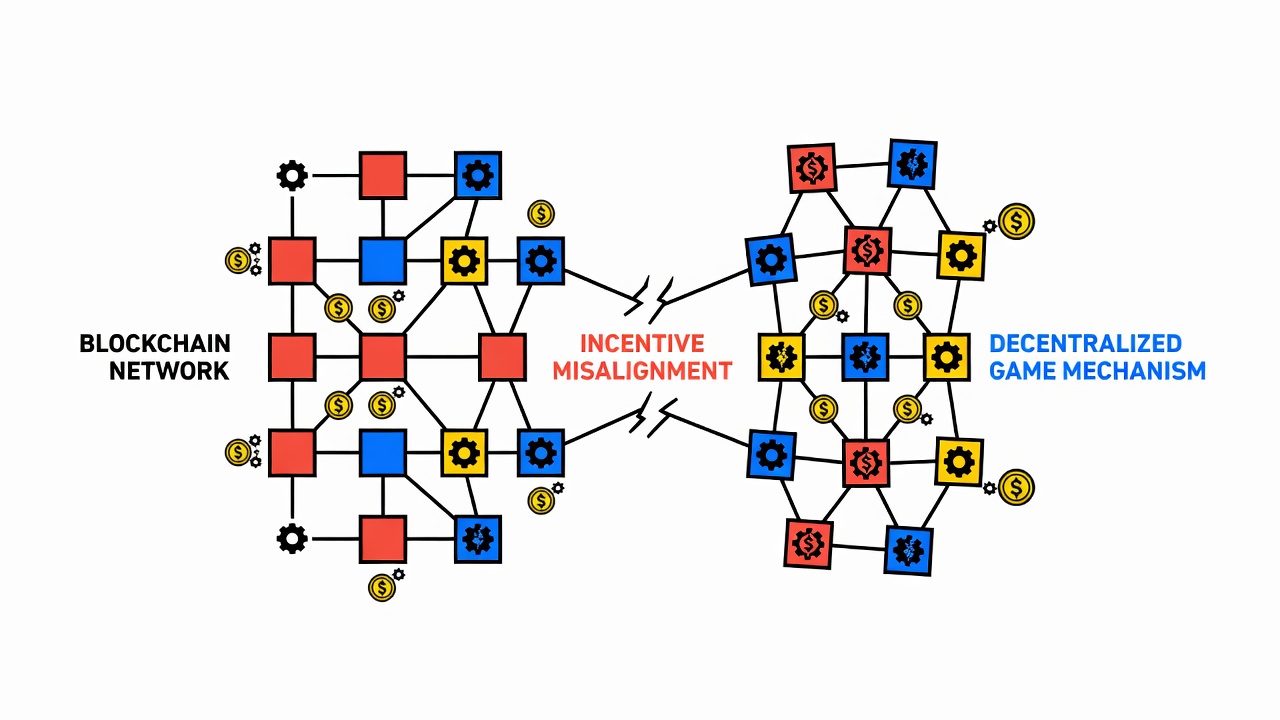 Crypto GamblingDecentralized Poker: The Mechanism Problem
 BaccaratKerry Packer's Legendary Baccarat Loss to Private Banker
 BlackjackHow Movies Get Blackjack Wrong: A Reality Check
 Big WinsTom Dwan: The Mystery of Durrrr's Biggest Online Pots