
How Sportsbook KYC and Verification Actually Work
KYC stands for Know Your Customer. It is the sportsbook watching you. Every deposit, every withdrawal, every unusual bet. The process is bureaucratic, but it is real.
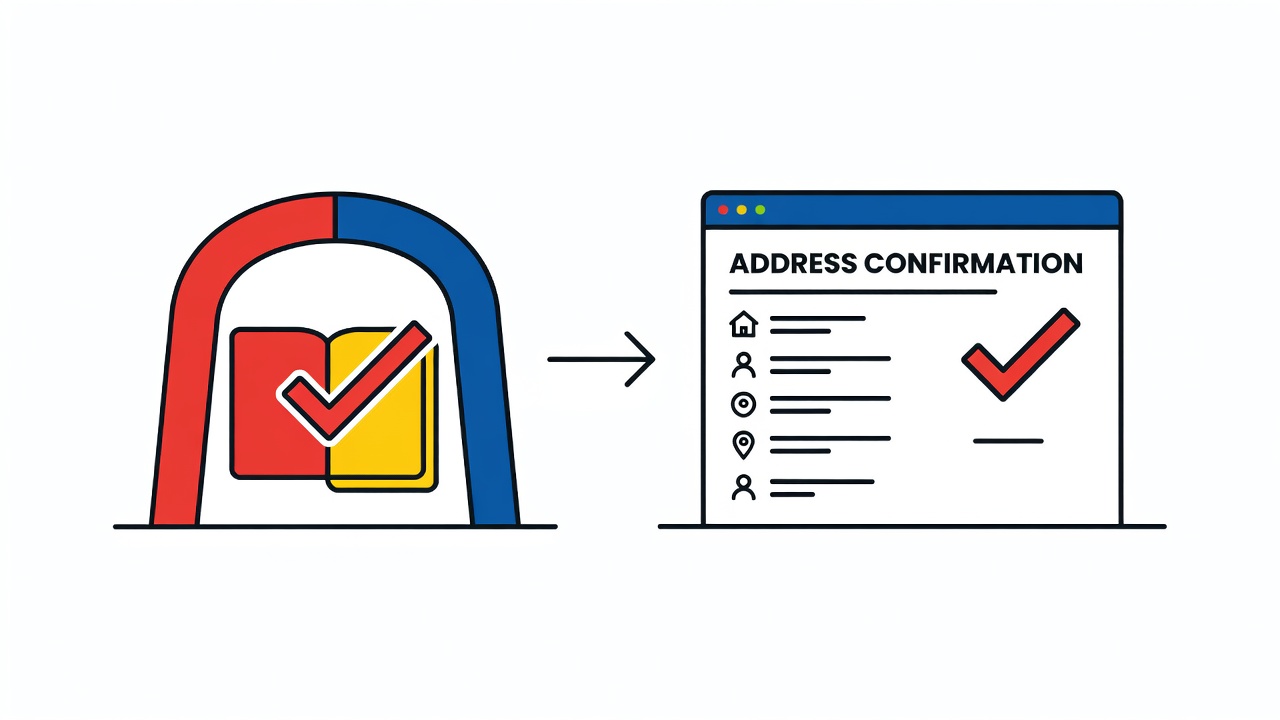
The action is happening now. You are at the window, you want to place a bet. The sportsbook needs your ID. Not just any ID. Government-issued ID. Driver's license, passport, state ID. The book wants to know who you are, where you live, your age. This is step one. KYC.
Here is why. The sportsbook is regulated by state gaming commissions. Those commissions have federal reporting requirements. Banks have reporting requirements. The United States wants to know that gambling money is not drug money, not from terrorist financing, not from corrupt officials. So the sportsbook is required by law to identify every customer. The ID check is not optional. It is legal mandate.
You hand over your driver's license. The sportsbook runs it through an age-verification system. Automatic check. You are 21 or older, or you are not. If you are not, the account is closed. They do not negotiate. If you are old enough, you move to step two.
Proof of address. You provide a utility bill, mortgage statement, or lease agreement. Something showing your name and a physical address. The sportsbook cross-references it with a database. If the address matches your ID, you pass. If it does not, you are asked to explain or provide additional documentation. Some sportsbooks ask for a phone number verification at this step. They call or text. You confirm it is you. Confirmation complete.
The Technology Behind It
Large sportsbooks (DraftKings, FanDuel, Caesars) use automated verification services. Socure, LexisNexis, IDology. These services integrate with government databases, credit bureaus, and address verification services. You provide your information. The service runs it. Response comes back in seconds: match confirmed, or information does not match. If information does not match, a human reviewer investigates.
Smaller books use manual verification. A back-office employee calls you. Asks for your name, date of birth, address. Cross-references it with the documents you provided. If everything matches, you pass. If something is off, they ask follow-up questions. "The lease agreement says a different last name. Can you explain?" Most reasons are innocent (married, name change). Some are not. The reviewer makes a judgment call.
What Triggers Secondary Review
After verification, the book is watching you. Every deposit and withdrawal is logged. If you deposit $500 monthly for six months ($3,000 total) but suddenly deposit $20,000, that is flagged. The system marks it for review. A compliance officer looks at it. Is this consistent with your profile? Do you have a new job? Did you inherit money? Or are you depositing drug proceeds? The book does not know, so they investigate.
Multiple deposits in a single day from different payment methods is flagged. Rapid cycling of deposits and withdrawals is flagged. Large bets on unusual odds (prop bets, long-shot parlays) are logged if they are not typical for you. Betting on restricted sports (college, minor sports) is flagged because state regulations sometimes restrict these. All of this data is compiled. The book is watching.
If you attempt to withdraw $10,000 from a $500 account after a month of play, that might trigger a review. The book wants to understand where the winnings came from. Was it from legitimate betting skill, or does the account pattern suggest something else (collusion with an employee, bonus abuse, money laundering)?
The Regulatory Layer
Behind the sportsbook are state gaming commissions. These commissions conduct audits. They access the sportsbook's KYC records, transaction logs, suspicious activity reports. They verify that the sportsbook followed procedure. If a customer account was never verified but still allowed to bet, that is a violation. Fines follow. If a suspicious activity report was filed but never escalated to law enforcement, that is a violation.
Bet365, which operates in some US states, faced sanctions in 2023 for inadequate KYC verification. They were allowing accounts to be created with incomplete address information. The state gaming authority ordered remediation. Now they verify more aggressively.
The federal layer is the Bank Secrecy Act and Anti-Money Laundering regulations. Sportsbooks are financial services companies, even though they do not hold deposits the way banks do. They must file Suspicious Activity Reports (SARs) if they detect unusual patterns. If a customer wins $100,000 and withdraws it in cash, the sportsbook files a SAR. Federal investigators may follow up. The customer might be fine (just a lucky bettor) or might be involved in money laundering (depositing clean money through the sportsbook, converting it to cash through a winning bet, then withdrawing). Either way, the system flags it.
Why This Matters
The KYC process is slower than a casino that does not verify. It adds friction. Deposit, withdrawal, account reopening after a long absence. All require re-verification. Some customers hate this. They see it as the book not trusting them. The reality is that the book is not trusting anyone until they prove who they are and where their money comes from. This is legal requirement, not policy.
Smaller or unregulated sportsbooks skip KYC entirely. They do not verify customers. This makes them more convenient in the short term and utterly unreliable in the long term. If a dispute arises, there is no regulatory body to appeal to. No KYC means no recourse.
Regulated sportsbooks use KYC as customer protection. If there is fraud on your account, the book can trace it because they know who created it. If your account is hacked, they have your real identity on file and can help. If you need to self-exclude (ban yourself from the platform), KYC data allows them to prevent re-entry under different names. The friction is the price of protection.
Markets in this line
Keep reading
Same market
 Sports BettingPlayer Prop Line Movement: News Clocks and Injury Tags
 GuidesWhat to Do When Your Casino Withdrawal Fails: A Long Look at a Small Problem
 GuidesMMA Style Matchups: What The Numbers Miss
 Sports BettingSame-Game Parlays: Fun, But Are They Profitable
 Sports BettingHow Technology Is Reshaping the Sports Betting Industry
 Sports BettingLine Shopping Can Improve Your Sports Betting Returns