
Prop Bets Explained: Player, Team, and Novelty Props
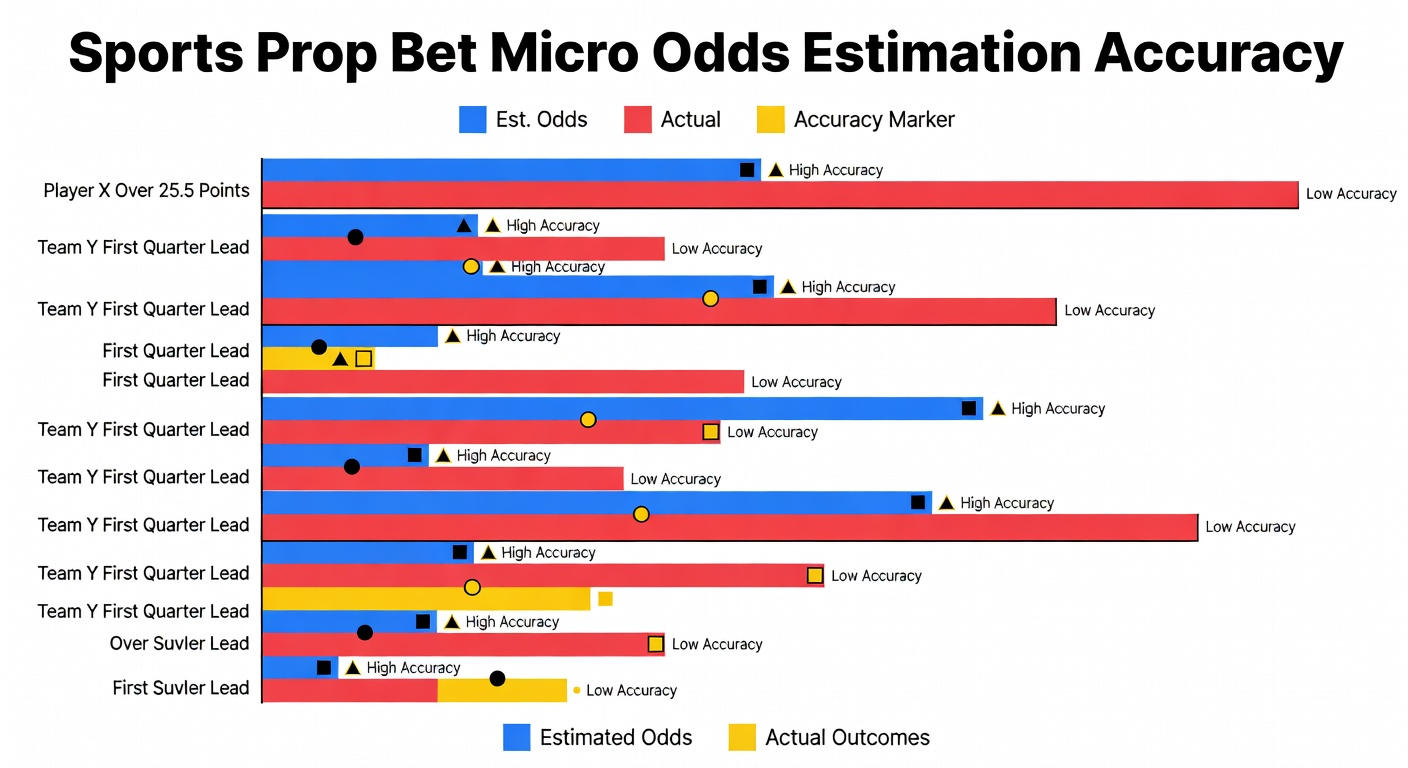
Prop bets are specific, granular outcomes: "LeBron scores over 25" or "the game has 43 total points." They're profitable for sportsbooks because bettors are worse at estimating micro-odds than they are at whole-game odds.
I worked surveillance in Las Vegas for twenty-five years. Casinos loved prop bets. You know why? Because bettors are terrible at them.
A prop bet is a specific outcome within a game. Not "who wins" (that's a moneyline). Not "by how much" (that's a spread). Something narrower.
The Categories
Player props: "Mahomes throws 2+ touchdown passes." "Patrick Mahomes passes for 250+ yards." "Kelce catches 5+ passes." These are about individual players' statistical performance.
Team props: "The Chiefs score 25+ points in the second half." "The Chiefs have 150+ rushing yards." Narrower than moneylines, but still team-level.
Novelty props: "The national anthem lasts 2:15-2:20." "The first commercial break starts at 12:47." "A coach gets a Gatorade bath." These exist because bettors find them fun, not because they make money.
The Juice is Higher
On a moneyline (pick the winner), typical juice is about 5% either side. The bet is well-researched. Sharps (professional bettors) have modeled it. The market is efficient.
On prop bets, the juice can be 8-12%. Why? Because casual bettors are guessing. They're extrapolating from their sense of the team, not actual analysis. A sportsbook can offer -110 on both sides of a prop because they've correctly estimated where the casual market is; sharps aren't flooding in to correct it.
How Sportsbooks Profit
DraftKings doesn't make money by predicting games better than you. They make money by taking the other side of bad bets.
You think LeBron scores 30+ points tonight. The odds say 45% chance. You bet. DraftKings takes your money and hedges (bets against you with other bettors or with a trading partner). If your bet loses, they keep your money. If your bet wins, they pay you. Either way, they collected juice.
The problem for you: prop bets are harder to predict accurately. You're a casual fan. You've watched the team. You know the player. You don't know the actual distributional data (how often does LeBron score 30+ in February vs June? vs against this specific defense?). A sportsbook does. They've modeled it.
The Data Gap
Here's the dirty part. DraftKings has:
- 10 years of game logs for every player.
- Weather data (wind, temperature affects scoring).
- Travel data (does fatigue matter? yes).
- Injury data (is this a back-up linebacker suddenly playing heavy minutes?)
- Personnel changes (did the team add a new running back?)
You have: what you remember from the last time you watched this team.
That gap is why prop bets are such steady money for sportsbooks.
The Social Element
Prop bets are fun. You can bet on player stats, halftime scores, whatever. It adds interest. A casual fan might not care who wins, but they'll bet on whether the first drive results in a field goal.
Sportsbooks know this. That's why they offer 50+ props per game. Each one is a small-juice bet, but there are so many that the volume adds up.
The Reality Check
If you're betting props, you're either:
- Entertaining yourself (you know you're likely losing and it's fine).
- Trying to make money (in which case, stop, it won't work unless you have serious edge).
The sportsbook's edge is built into the juice. You have to be significantly better at predicting than the market (which has professional traders). Most people aren't. The juice eats any edge you might have.
The Novelty Props
These are pure entertainment. Nobody thinks they can beat the market on "the national anthem lasts 2:15-2:20." They're betting because it's fun and the upside is decent.
Those are the only prop bets I'd endorse for casual players. The statistical ones (player props) are traps dressed up as opportunity.
Markets in this line
Keep reading
Same market
 Sports BettingPlayer Prop Line Movement: News Clocks and Injury Tags
 GuidesNo Vig Fair Odds Calculator: Three Methods, Worked Through
 HistoryClosing Line Value Calculator: The Math Behind CLV
 GuidesUnderstanding Slot Variance: A Player's Guide
 SlotsBet Size Matters More Than Spin Count
 Live CasinoDeal or No Deal Live: Rules and Expected Value