
The Evolution of Live Betting Over the Last Decade
Live betting is when you bet on an event while it is happening. The Patriots are down by four with two minutes left. You bet them at plus 150 to win. That is live betting.
Ten years ago, live betting was not common. Sportsbooks did not offer it widely because the technology was complicated. They needed to update odds in real time. They needed servers that could handle rapid bets and rapid odds changes.
FanDuel pioneered live betting in the United States in the early 2010s. Other books followed slowly. By 2016, most major operators offered it. But it was maybe 10-15 percent of total betting volume.
The Technology
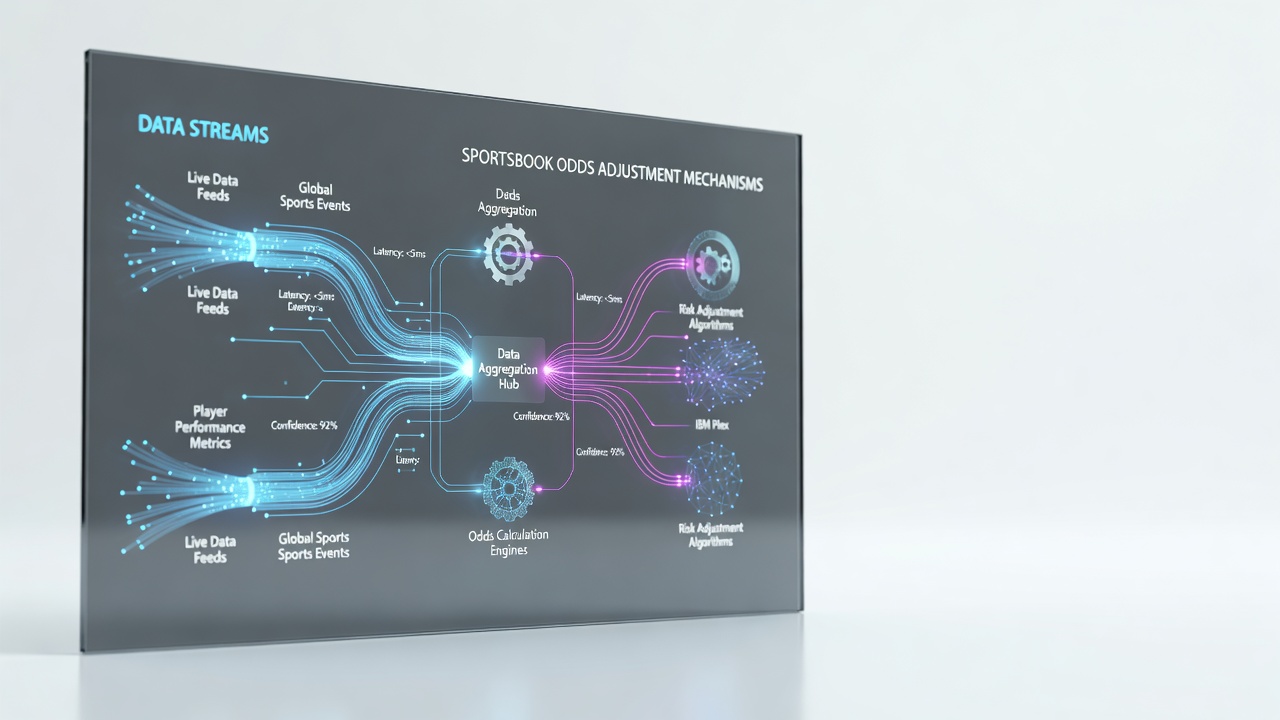
Live betting depends on real-time data. Every play in a game generates new information. A touchdown changes the game state. The sportsbook's algorithms detect the play and adjust odds within seconds.
The latency matters. If your sportsbook is slow to update odds, sharp bettors will exploit it. A play happens, other books adjust odds, your book is still at old odds. Sharps bet your book. You lose.
By 2020, the major sportsbooks had real-time feeds from official game sources. Technology caught up to demand.
The Psychology
Live betting is psychologically different from pre-game betting. A bettors might place a pre-game bet and then sit with it. A live bettor is constantly making new bets as the game unfolds.
Psychologically, live betting feels more interactive. You are reacting to information in real-time. You are making decisions based on the current state, not predictions. That feels more like strategy and less like gambling.
It is also more engaging. A boring pre-game bet becomes interesting in the fourth quarter when the outcome matters.
The Business Impact
Live betting is higher-margin than pre-game betting. The odds are looser because the books have more information. They know the current score, time, injuries. They have less uncertainty than at game start.
Tighter odds mean lower player expected value. A player betting live gets worse odds than pre-game. But they also have better information. The trade-off is favorable to the book.
By 2024, live betting was over 50 percent of sports betting volume at major operators. The shift to live happened in roughly eight years.
The Skill Component
Live betting rewards fast thinking. A betting opportunity exists for maybe thirty seconds (a novel play, a sudden shift in momentum, an injury timeout). A bettor has to recognize the opportunity and act.
It rewards information superiority. If you know something the book does not know yet (a player is injured, a team is fading), you can bet before the odds adjust.
Slow bettors lose at live betting. Fast bettors have edge.
The Casual Player
For casual bettors, live betting is trap. You are making impulsive bets on information you have, but the book is setting odds based on information they have. You are probably outmatched.
Live betting is designed to keep you betting constantly. A casual pre-game bettor might place three bets per day. A live bettor might place thirty bets. Volume is the book's friend.
The Present
Live betting now includes live prop bets. Will the next pass be complete? Will the next play be a run? Will this player score the next touchdown? These prop bets change by the second.
The technology is slick. The experience is smooth. The user interface is optimized for fast betting.
That optimization is designed to maximize volume and maximize house edge. From a book's perspective, it is nearly perfect.
For a player, live betting is higher-velocity gambling with worse odds. The only edge is fast thinking and better information. Most players have neither.
Markets in this line
Keep reading
Same market
 Sports BettingPlayer Prop Line Movement: News Clocks and Injury Tags
 HistoryClosing Line Value Calculator: The Math Behind CLV
 Big WinsTerrance Watanabe's $127 Million Loss at Caesars Palace
 GuidesMMA Style Matchups: What The Numbers Miss
 Sports BettingSame-Game Parlays: Fun, But Are They Profitable
 Sports BettingHow Technology Is Reshaping the Sports Betting Industry