
Absolootly Mad Mega Moolah: The 19M Pound Jackpot Explained
Mega Moolah is a masterclass in progressive jackpot design. The game isn't selling you a win. It's selling you the idea that you could be the one.
I've spent fifteen years designing game loops, and I want to talk about Mega Moolah not as a gambling product but as a system. Because it is, genuinely, a system. And it's one of the most effective retention hooks ever built.
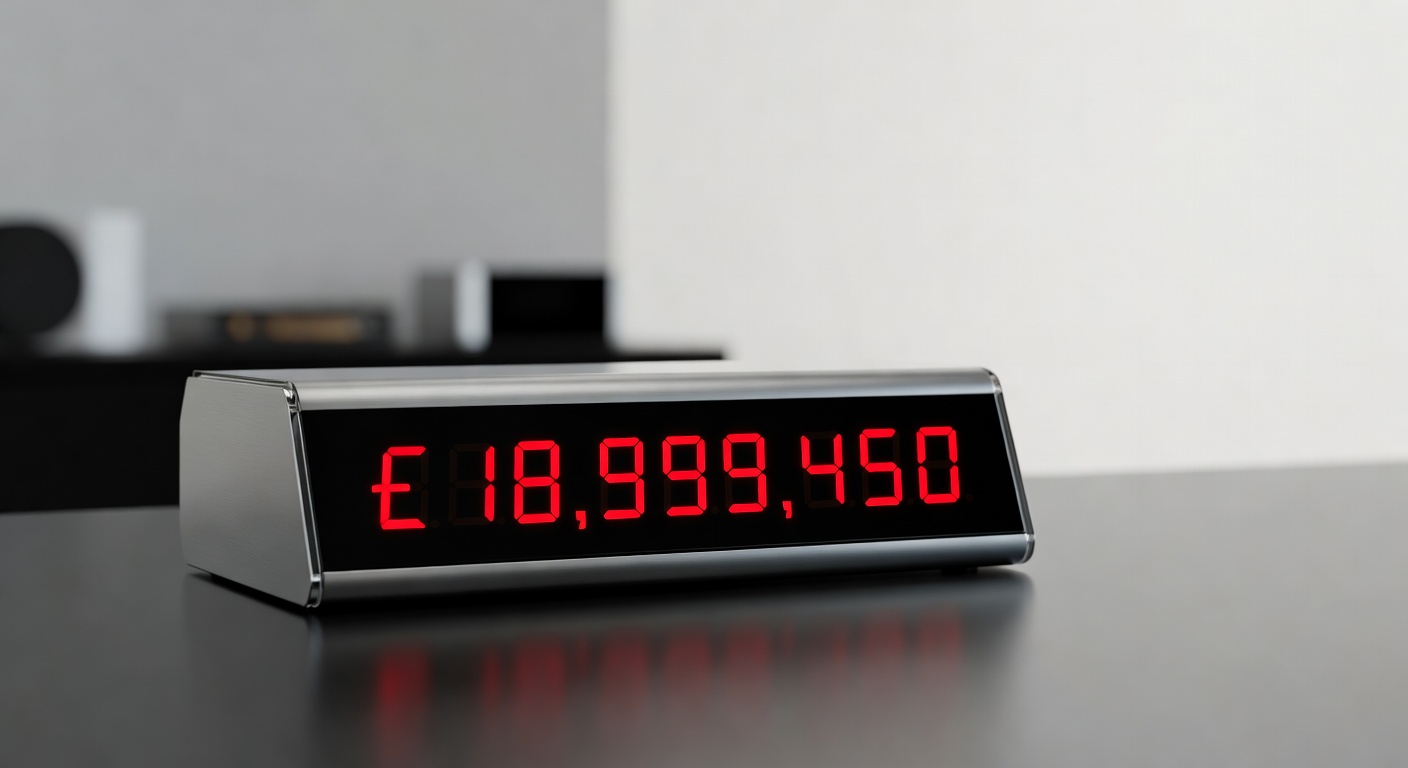
Here's what the game is: Mega Moolah is a five-reel slot with a wild animal theme. Spinning, matching symbols, medium-tier wins that feel good. Standard stuff. But the game has four progressive jackpots, all growing in real time, visible on the screen above the game. One of them just hit at 19 million pounds. But the architecture is what matters.
The Psychological Onboarding
When you load Mega Moolah, the first thing you see are those four meters. Mini, Minor, Major, Mega. They're all growing. Some of them are huge numbers. The Mega one is labeled as the world record basically, or at least "one of the biggest ever won." This is onboarding for the hope loop.
The game is not trying to get you to win the Mini jackpot. It's trying to get you to understand that you're in a pool of players worldwide, all feeding the same pot, and one of them is going to win something insane. You know it won't be you, probably. But the system is set up so that you watching this happen makes you feel like you're in the game.
This is a retention hook. The RTP on the base game is maybe 88%, which is terrible by modern standards. But the retention mechanic is separate from the payout mechanic. The game is playable because at any moment, your screen could light up with one of those four jackpot tiers.
The Random Trigger
The genius is how the jackpot is triggered. You don't need to line up specific symbols. The game picks a winner basically at random, and you get a bonus screen where you spin a wheel and claim whatever tier you've won.
This is a decoupling move. In a normal slot, you understand the relationship between your bet and your outcome. Spin, symbols match or they don't. But in Mega Moolah, you can win the Mega jackpot on the 20th spin or the 2,000th spin. The game has abstracted away the causal connection between your action and the outcome.
Why does the game do this? Because it maximizes the surprise. A player who gets lucky and wins a jackpot they didn't specifically aim for feels more wow-ed than a player who executed a strategy. This is a feedback design principle: unexpectedness increases emotional impact.
The Perception of Scale
The 19 million pound figure is real. But scale perception is fuzzy. A player in the UK seeing 19 million sees the number and has no frame for it. Is that big? Yes. Is that "my life is changed" big? The game suggests yes. Your brain says maybe. The mismatch is the hook.
The game doesn't tell you that 19 million is split across thousands of players at scale because Mega Moolah is distributed across multiple casinos. It doesn't tell you the odds of hitting the Mega (roughly one in 50 million). It shows you the number and the fact that someone won it once, and lets you do the math yourself.
This is the retention problem the game is solving: keeping a player's hope alive even though the math says they're going to lose money. The game does it by making the upside visceral (the big number on screen, the occasional minor win, the dramatic bonus wheel spin) while keeping the downside abstract (small loss, blended into the session).
The Viral Mechanic
Another angle: when someone wins the Mega, it gets publicized. The game is famous partly because of a few huge wins. Those wins get tweeted, get covered by gambling sites, become stories. A player sees a story about a 19 million pound win and thinks, "I could play this game and have that happen." This is the narrative mechanic of Mega Moolah: it sells you not a game but a story where you're the protagonist.
I don't mean this as a criticism. This is just how game design works. The best games give you a reason to come back. Mega Moolah gives you hope. Rational hope is impossible, but irrational hope keeps players engaged.
The Feedback Loop
Each spin gives you a base-game result. Maybe you win 2x your bet. Maybe you lose the spin. But the game is always showing you that the pot is growing. The pot grows every second, across every casino where Mega Moolah is live. You see it growing while you play. This is a psychological trick: your personal loss is reframed as community jackpot growth. Your money is feeding the pool. You're not losing; you're contributing to the eventual winner's moment.
From a pure systems perspective, Mega Moolah is brilliant. It takes a negative-EV game, wraps it in a retention loop, and gives players a story about someone winning huge. The 19 million pound win didn't happen because the game is generous. It happened because millions of players fed a pot until the RNG selected one. The game is selling you the dream of being that one. That's the entire architecture.
It's masterfully designed, which is different from ethically designed. But if you're asking how a game makes people keep playing despite losing money, Mega Moolah is the textbook answer.
Keep reading
Same market
 Sports BettingPlayer Prop Line Movement: News Clocks and Injury Tags
 Big WinsImplied Probability Formula for Every Odds Format
 GuidesNo Vig Fair Odds Calculator: Three Methods, Worked Through
 Big WinsTerrance Watanabe's $127 Million Loss at Caesars Palace
 GuidesUnderstanding Slot Variance: A Player's Guide
 SlotsBet Size Matters More Than Spin Count