
How NFT Casinos Are Changing Online Gambling
Blockchain casinos introduce provable outcomes and transparent odds. The system design matters more than the hype.
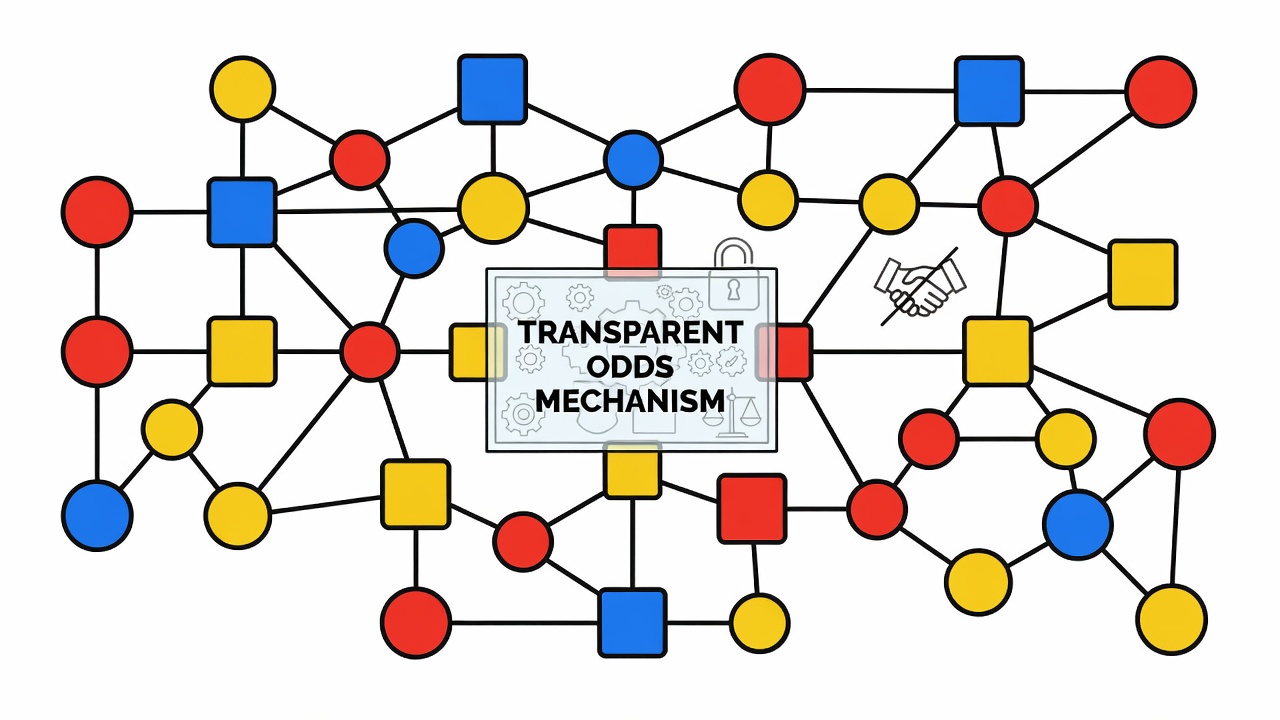
NFT casinos operate on a different architecture than traditional online casinos. The difference is structural, not cosmetic. First principle: traditional casinos rely on regulatory oversight to certify fairness. Malta Gaming Authority, UK Gambling Commission, Curaçao eGaming. These bodies audit RTP, audit game code, audit randomness. They exist because the operator controls the software, controls the RNG, controls the outcome. You trust the regulator to enforce compliance. Second principle: blockchain casinos replace regulatory trust with cryptographic trust. The outcomes are on the blockchain. The random number generation is provable. The entire transaction history is visible. This is not decentralization, which is a marketing term. This is transparency.
The mechanics work like this. A player places a bet. The bet is broadcast to the blockchain. The result is generated using a hash of future blockchain data (typically a future block hash plus a nonce) so no operator can know the outcome in advance. The payout is automated via smart contract. The player can audit every step because it is on a public ledger.
Game Design Differences
Because outcomes are provably fair, NFT casinos do not need a gaming regulator. They operate in jurisdictions where traditional online gambling is illegal. This is the entire business model. They do not have to pay Malta Gaming Authority fees, do not have to submit to annual audits, do not have to maintain reserves, do not have to comply with UK consumer protection law. They are cheaper to operate. This cost advantage funds aggressive marketing, high bonuses, high RTPs. Some blockchain casinos advertise 98% RTP for slots when traditional casinos average 95-96%. The odds are real.
The constraints are different. Because blockchain transactions cost money (gas fees on Ethereum, transaction fees on Solana, etc.), small-bet games are uneconomical. Most blockchain casinos have minimum bets of 0.01 ETH or equivalent. That is roughly 20-30 dollars. You cannot play 1-dollar spins. You cannot grind on penny slots. The user experience is anchored toward higher stakes.
NFT casinos also restrict geography aggressively. They do not want regulatory attention. US-based players are excluded or routed to jurisdictions that are legally grey. UK players are excluded. Canadian provinces vary. Most blockchain casinos accept players from Western Europe (outside the UK), Southeast Asia, and Latin America. The geographic restriction is built into the smart contract.
The Token Economy
Most blockchain casinos issue their own token. This token functions as house currency and loyalty reward. You buy ETH, convert to their token, play, earn additional token, potentially exit with profit. The token's value floats on secondary markets. This introduces a new layer of economics. The casino's profit is not just the house edge on gambling, it is also the spread between the price at which they issue tokens and the market price. Some blockchain casinos have seen their token appreciate 20x (then collapse 80%). Players holding tokens are exposed to this volatility.
Pragmatic Play, the largest traditional slot provider, launched a blockchain-based slot game in 2022. It is provably fair, Ethereum-based, runs on a 96% RTP. But it is not popular. Why? Friction. Gas fees. Minimum bets. Jurisdictional complexity. The transparency advantage does not override the user experience cost. Traditional players would rather trust Malta Gaming Authority than manage wallet security and blockchain complexity.
What Actually Drives Adoption
Blockchain casinos succeed where regulatory protection is weak or absent. In countries where unlicensed online gambling is common, provable fairness is a marketing advantage. You cannot be cheated if the outcome is cryptographic. In countries with strong regulation (UK, Malta, licensed operators in Canada), the blockchain casino is irrelevant. The regulator's certification is worth more than a hash.
The future might be hybrid. Traditional operators might adopt transparent RNG using blockchain technology while maintaining regulatory compliance. This would preserve the consumer protections while adding cryptographic proof. DraftKings and FanDuel have tested this. But the killer app for blockchain gambling (complete regulatory bypass) also attracts predatory operators, game changers, and outright scams. The same structure that enables fairness enables fraud if the operator wishes.
NFT casinos are not changing the fundamentals of gambling. They are changing the trust model. For some players in some jurisdictions, provable fairness is enough. For others, regulatory oversight remains irreplaceable.
Markets in this line
Keep reading
Same market
 Big WinsTerrance Watanabe's $127 Million Loss at Caesars Palace
 Sports BettingHow Technology Is Reshaping the Sports Betting Industry
 Crypto GamblingDecentralized Poker: The Mechanism Problem
 Crypto GamblingPlaying Roulette With Cryptocurrency: The Numbers and the Risks
 Crypto GamblingStablecoin Roulette: Why USDT and USDC Are Common Choices
 Crypto GamblingCommon Red Flags of Shady Crypto Gambling Sites