
Reverse Line Movement: What Lopsided Action Really Means
Books do not chase balanced action. In NFL data, home underdogs covered 58% of games while twice as much money backed visiting favorites, and the line held.
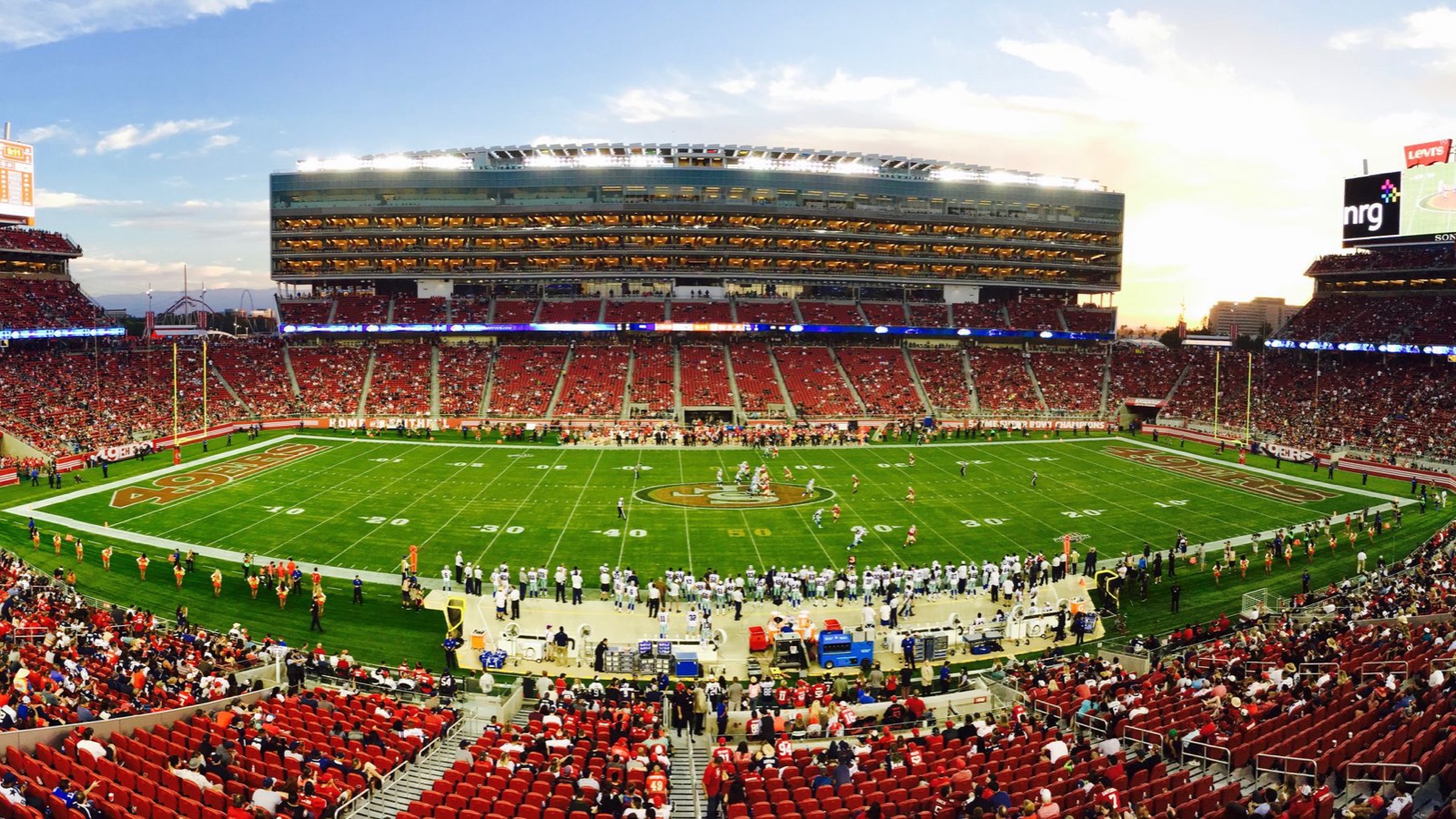
Photo: Robert Hernandez Villalta on Pexels
Reverse line movement is a price that moves, or refuses to move, against the side most bettors are on. It is real, but it is weaker evidence than it looks. Books do not set lines to balance their action, so a number that fights the majority can reflect the bookmaker's own position as much as sharp money. In the best-known NFL case, home underdogs covered 58% of games while twice as much money sat on the other side, and the line stayed where it was.
What the term describes
The label covers a line that shifts toward the less popular side: most tickets or most of the handle sits on one team, yet the number moves to make that team a worse bet. The usual reading is that a few larger, informed bets outweighed the crowd. The research on how books actually price games offers a second reading that most explainers skip.
Books do not balance the book
A line is not a scale that tips toward whichever side has more bets. A peer-reviewed test of NFL spread and money line markets found that the balanced book hypothesis is soundly rejected, with bettors preferring favorites. The same study found the percentage bet on the favorite matches nearly one-to-one across the spread and the money line, so the lean toward favorites is steady across markets rather than a quirk of one.
Bookmakers also sometimes take a position and welcome unbalanced bets from the public when they hold a strong view. In traditional bookmaker markets, odds are adjusted infrequently and strategically, so prices are partly set by the book's choices rather than cleared by demand. The same paper notes that odds carry institutional objectives and demand-side pressures alongside information about the event.
Put together, a line that stays put or drifts against the majority is what you would expect from a book comfortable holding one side. It does not need a hidden sharp bettor to explain it.
The NFL case where the majority side lost
Levitt's NFL data, as summarized by The Sport Journal, found that home underdogs beat the spread in 58% of games, while twice as much was bet on the visiting favorites. Bookmakers did not move the line to balance those bets, and the paper adds that holding the number increased their profits.
| Side | Betting action | Line response | Against the spread |
|---|---|---|---|
| Visiting favorites | Twice the money of the other side | Not moved to balance | The losing side in most games |
| Home underdogs | The smaller share of money | Not moved to balance | Covered 58% of games |
Read as line movement, this is the quiet version of the signal: the price did not follow the money, and the side with less money was the right one. The information sat in the book's refusal to move, not in a late bet.
Why the signal alone says little
A move against the public only matters if the price you take still wins often enough to beat the vig. Losing bets pay a premium to the book, the vig, and at standard pricing a bettor must win 52.4% of the wagers to come out ahead.
Levitt's 58% cover rate for home underdogs cleared that hurdle, which is why the case is cited: the right side was the one with less money. A bettor reacting to a move after the fact does not get the opener, though. The number on offer is already worse, and the closing price is the fairer test of whether that number was any good.
How to read a line and its movement
- Separate tickets from money. Levitt's split was about the amount bet, not the count of bets, and the two can point different ways.
- Ask whether the book wants the position. A book that welcomes one-sided action will leave the number alone on purpose.
- Treat a move as a decision. Odds change infrequently and strategically, so a shift says something about the book's exposure as well as the game.
- Judge the price, not the direction. Whatever moved the number, the bet still has to clear the 52.4% break-even line after the vig.
- Props run on a different clock. See how player prop line movement follows news.
Market questions
Is reverse line movement real?
Yes. Lines do hold or move against the majority, and the research explains why: a peer-reviewed NFL test rejected the balanced book hypothesis, and books sometimes take a position on purpose. That makes the pattern real, but it does not make every case a sharp-money tell.
What does line movement indicate?
A move reflects the book's decisions as well as new information. Bookmaker odds are adjusted infrequently and strategically, and they carry institutional objectives and demand pressure alongside what is known about the game.
What is a reverse line movement example?
In Levitt's NFL data, home underdogs beat the spread in 58% of games while twice as much was bet on visiting favorites, and books did not move the line to balance it.
Price and data sources
- The Sport Journal, Factors Affecting Scoring in NFL Games and Beating the Over/Under Line, undated, accessed October 2026.
- Journal of Prediction Markets, Bettor Habits When Point Spreads and Money lines are Offered on the Same Game: The NFL, undated, accessed October 2026.
- arXiv, A Comparison between Financial and Gambling Markets, undated, accessed October 2026.
Markets in this line
Keep reading
Same market
 Sports BettingPlayer Prop Line Movement: News Clocks and Injury Tags
 GuidesMMA Style Matchups: What The Numbers Miss
 Sports BettingSame-Game Parlays: Fun, But Are They Profitable
 Sports BettingHow Technology Is Reshaping the Sports Betting Industry
 Sports BettingLine Shopping Can Improve Your Sports Betting Returns
 Crypto GamblingCommon Red Flags of Shady Crypto Gambling Sites