
UK Gambling Commission: An Introduction for Players
The UKGC is not your friend but it keeps the house from being a full criminal operation. Here is what it actually does.
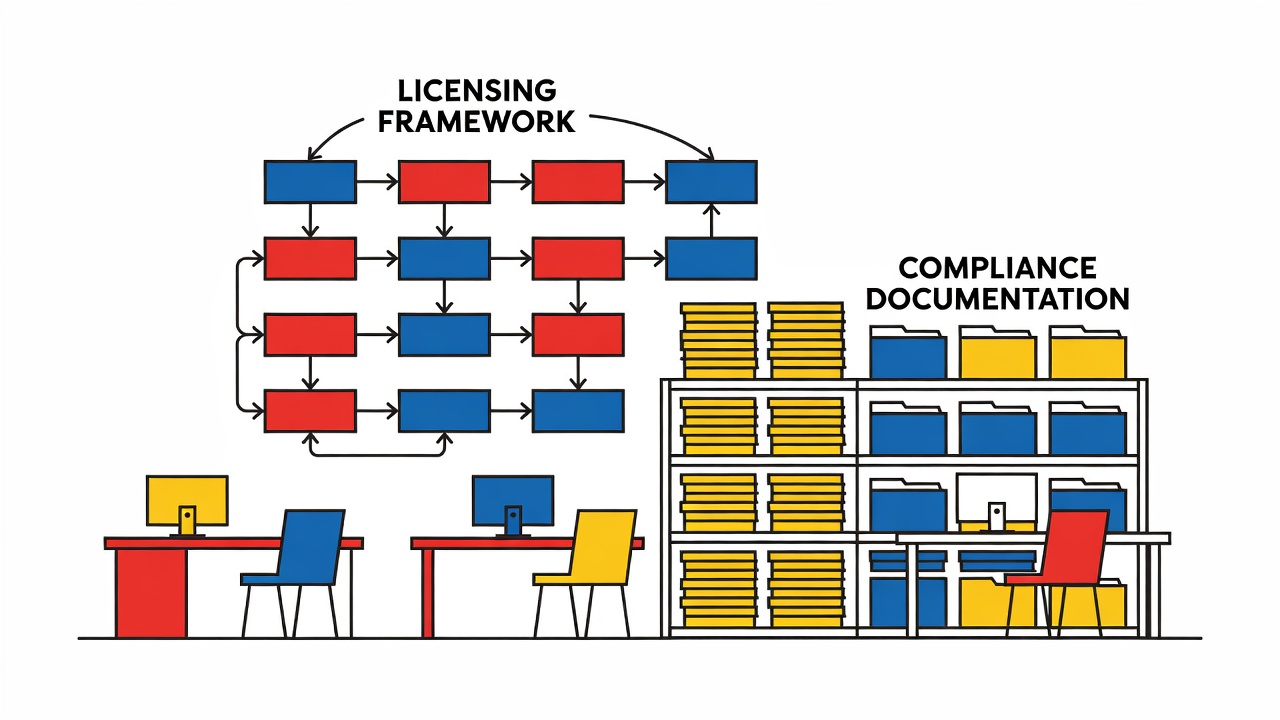
Look, the UK Gambling Commission is real. I mean it exists. Is it there to protect you? Sure, if protecting you means making sure the slots machine is not literally programmed to take your kidney. You know what I mean?
So here is the thing about the UKGC. It licenses operators. You want to run a sportsbook in the UK? You need a license. You want to run slots? License. The commission checks that you have the infrastructure. They look at your random number generator. They make sure you are not running everything from a laptop in a van, which, respect, but that is not legal.
What the UKGC Actually Does
They audit. They require operators to keep records. They mandate things like age verification and self-exclusion programs. If you phone up Bet365 and say, "I want to ban myself," they have to do it because the UKGC says so. That is real. That actually happens.
They also collect data. Every month, every operator reports revenue, customer numbers, complaints. The UKGC sees patterns. If one sportsbook suddenly has 10,000 new accounts and then they all disappear, someone notices. Is it perfect? No. But the system has teeth.
Player complaints go to the Gambling Commission. You lose money, you think something was rigged, you file a complaint. They investigate. They can fine operators up to 10 million pounds. Actually 10 million. That is not small. DraftKings paid four million in 2020. PokerStars paid twenty-four million in 2015 for anti-money-laundering violations. These are not parking tickets.
What It Does Not Do
Here is the part people get wrong. The UKGC does not guarantee you will win. It does not make house edges disappear. A -2.5 percent house edge on roulette with UKGC blessing is still a -2.5 percent house edge. The Commission is not saying the game is fair in the sense of giving you a chance. It is saying the game is what the operator claims it is.
The Gambling Commission also does not cover betting syndicates or unlicensed operators. You want to bet with some guy from a forum who takes bets on his own book? Not regulated. You lose, good luck. That is on you.
They cannot make an operator profitable or honest beyond the minimum standard. They set rules. Rules can be gamed. Every operator has a compliance officer and a legal team whose job is to find the edge of the rule and dance on it. That is legal. The UKGC sets minimum standards, not maximum goodness.
What Changed Recently
In 2021 the UKGC tightened slot machine rules. RTP minimums, bet limits on slots, all that. More friction for problem gambling. Is it working? Too soon. The industry says compliance costs are up. Player problem-gambling reports are also up, which could mean the safeguards are working or it could mean more people are gambling. Probably both.
The Commission also banned credit card gambling in 2020. You cannot charge your gambling to a credit card anymore in the UK. Only debit, e-wallet, or bank transfer. That cuts down on the worst kind of chase, the one where you are borrowing money at 20 percent interest to chase losses. It is a real move.
The Bottom Line
The UK Gambling Commission is a regulator, not a savior. It makes the house follow rules. It does not make the house a good place to be. You still have to respect the math. You still have to have a bankroll and a strategy. The UKGC just makes sure when you lose, you lose to something reproducible, not to an obvious con.
That is actually worth something.
Markets in this line
Keep reading
Same market
 RegulationIreland's Gambling Regulatory Authority: A Brief Overview
 PaymentsAML Compliance in Online Gambling: A Plain-English Explainer
 Sports BettingPASPA and the Supreme Court Decision That Legalized US Sports Betting
 BaccaratThe History of Macau: From Portuguese Colony to World's Biggest Gambling Hub
 RegulationTime-Out Features at Online Casinos: A Short-Term Responsible Gambling Tool
 HistoryPoker Night TV: The Rise and Fall of Televised Poker on ESPN