
Bitcoin Deposits at Online Casinos: The Basics
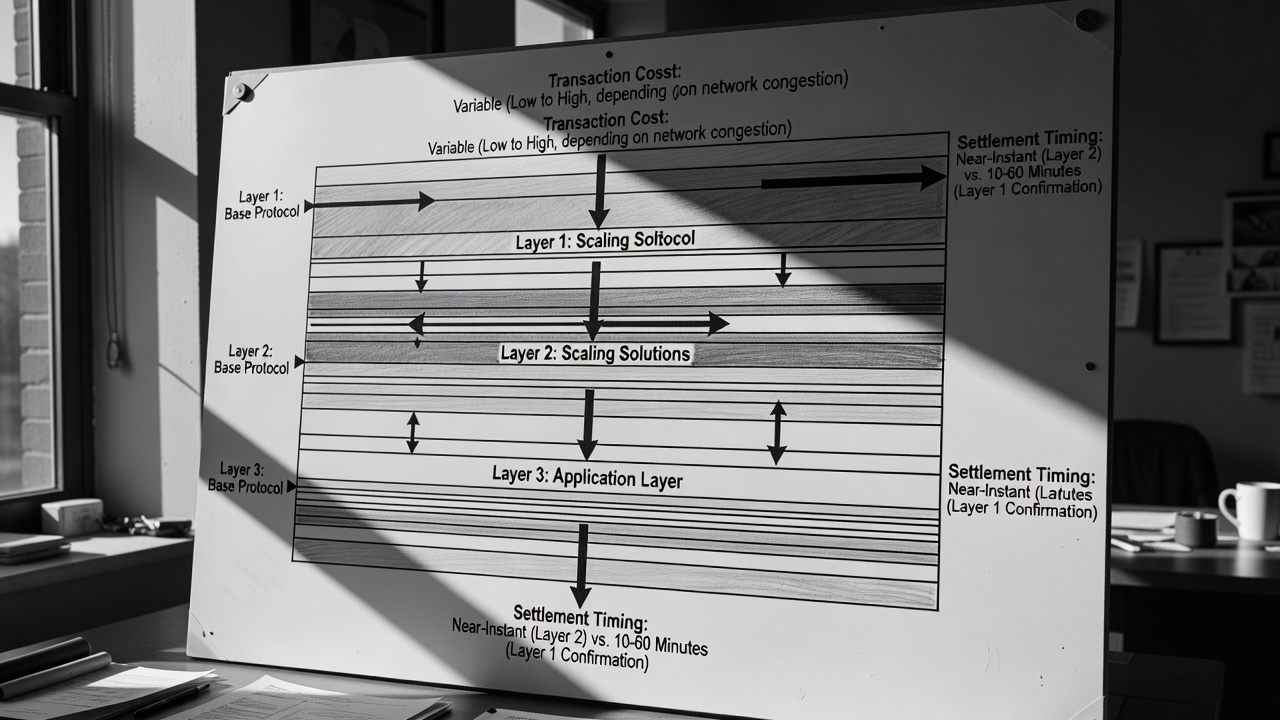
Bitcoin deposits move through layers. Understand each layer and you understand the transaction cost and timing.
It was Tuesday morning when Sarah initiated a Bitcoin transaction to a casino. She sent one Bitcoin from her hardware wallet. The transaction entered the mempool. It waited. Hours passed. The transaction was not included in a block. By Thursday, it still had not confirmed. The casino support told her the standard message: we are waiting for blockchain confirmation. She had nothing to do but wait more.
This is how Bitcoin deposits to online casinos work. You initiate. The blockchain processes when it processes. This can take minutes or hours or, in rare cases during network congestion, days.
Here is the technical layer: Bitcoin transactions are broadcast to the network. Miners collect transactions and bundle them into blocks. A block is created roughly every ten minutes. Once your transaction is included in a block, it has one confirmation. Most casinos require three to six confirmations before crediting your account. That means thirty to sixty minutes of waiting, assuming normal network conditions.
During that waiting period, the price of Bitcoin might move significantly. If it rises, the casino credits you with coins worth less than they were when you sent them. If it falls, you are actually in a better position. This is exchange rate risk during settlement.
Network Conditions and Congestion
When the Bitcoin network is busy (perhaps during market excitement or panic), the mempool fills. Transactions with higher fees get priority. A transaction with a one-satoshi-per-byte fee might wait hours. A ten-satoshi-per-byte fee goes faster. Casinos vary in their fee policy. Some use low fees and let you wait. Some use high fees to ensure fast confirmation.
Stablecoins like USDC or USDT eliminate this volatility and speed issues. They settle in seconds on certain blockchains (Polygon, Arbitrum). Ethereum confirms faster than Bitcoin (roughly twelve seconds per block). But stablecoins require a separate conversion step; you must buy them or bridge them, which costs money.
Some casinos do not accept Bitcoin deposits directly; they require conversion to an internal representation (a "Bitcoin balance" that may not actually be Bitcoin). This is faster but creates custodial risk. Your Bitcoin is held by the casino; if the casino is compromised or collapses, your Bitcoin might disappear.
Fees accumulate. Network fee to the miner. Potential casino processing fee (rare but present at some operators). Potential withdrawal fee when you want to move the Bitcoin back. A Bitcoin deposit might cost one percent in fees by the time you complete the deposit and withdrawal cycle. On a small deposit this is minimal. On a large deposit it is significant.
Bitcoin deposits teach you something about the cost of decentralization. You gain control of your funds but you accept longer settlement times.
Some casinos offer deposit discounts for Bitcoin; they credit you a bonus for using crypto instead of fiat. This is because the casino saves on payment processing fees. They pass a portion of that savings to you. But the saving is usually smaller than what you pay in network fees.
The most efficient approach: buy Bitcoin on a crypto exchange, transfer it in batches to avoid multiple network fees, convert the entire amount to stablecoin at the casino if available, and play on the stablecoin balance. This minimizes exchange rate risk and speeds up settlement. But it requires one extra conversion step at the casino, which most operators charge a small percentage for.
Large deposits should be done during low-fee periods (weekends often have lower network demand). Small deposits barely move the fee needle; they are not worth optimizing. Very large deposits (multiple Bitcoin) should be broken into chunks to avoid a single catastrophic fee if the transaction fails.
One final layer: regulatory. Casinos must comply with AML (anti-money laundering) rules. Bitcoin transactions are traceable but pseudonymous. A casino accepting Bitcoin must have policies to verify that your Bitcoin is not from illegal sources. This verification happens after the Bitcoin is credited to your account, so you might see the balance appear and then be frozen pending compliance review. This is rare but possible.
Markets in this line
Keep reading
Same market
 Sports BettingPlayer Prop Line Movement: News Clocks and Injury Tags
 GuidesNo Vig Fair Odds Calculator: Three Methods, Worked Through
 GuidesUnderstanding Slot Variance: A Player's Guide
 GuidesWhat to Do When Your Casino Withdrawal Fails: A Long Look at a Small Problem
 GuidesMMA Style Matchups: What The Numbers Miss
 Crypto GamblingDecentralized Poker: The Mechanism Problem