
Cold Storage vs Hot Wallets for Gambling Bankrolls
Cryptocurrency gambling requires choosing between cold storage (secure, slower) and hot wallets (convenient, risky).
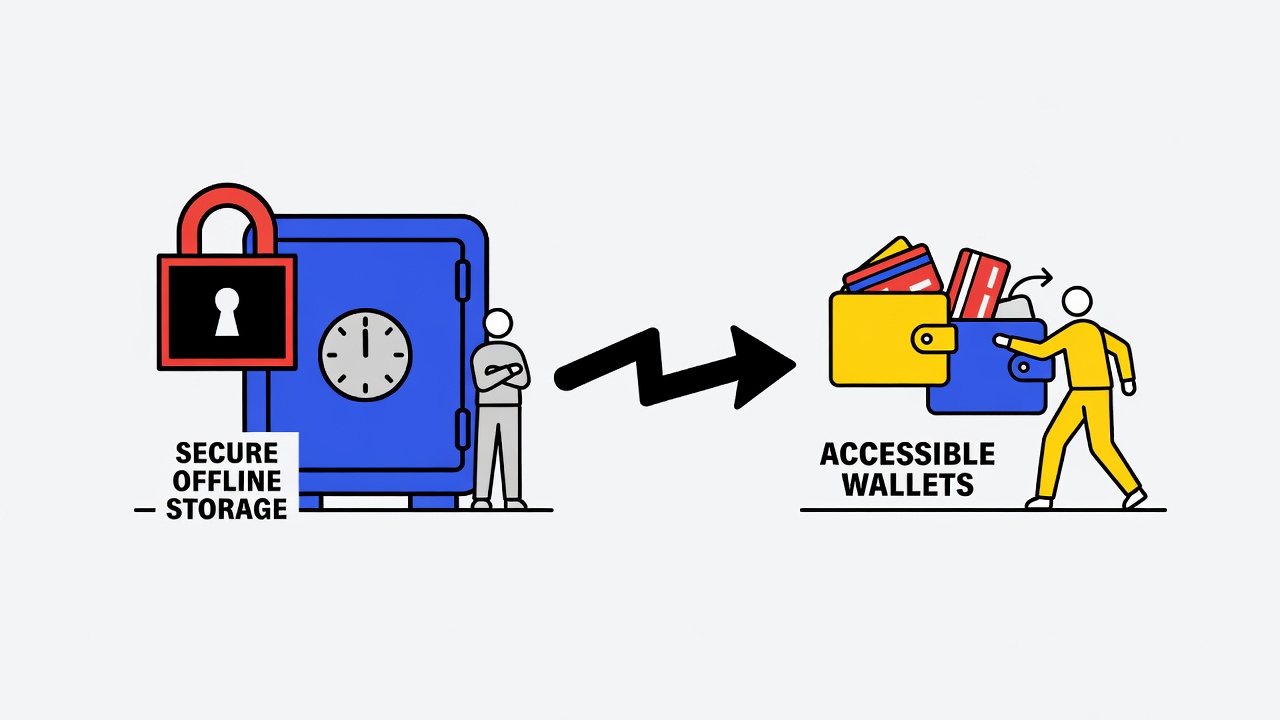
Cold storage is cryptocurrency held offline. Your private keys live on a hardware wallet or paper wallet. To access your coins, you must actively retrieve them from cold storage and move them online. This is secure but time-consuming.
Hot wallets are cryptocurrency held in exchange or sportsbook accounts. Your private keys are held by the platform. You can access your coins instantly. This is convenient but risky (the platform could be hacked or collapse).
For gambling bankrolls, the choice is between security and convenience. Keeping 100,000 dollars in cold storage means your coins cannot be stolen by exchange hackers. But moving coins into the sportsbook to place a bet requires transferring them out of cold storage, waiting for blockchain confirmation, and then placing the bet. This takes 10 minutes to several hours. Keeping 100,000 dollars in a hot wallet at Stake means you can gamble immediately. But if Stake gets hacked, your coins could vanish.
The security trade-off
Cold storage is secure because the private keys are never exposed to the internet. Your coins cannot be hacked remotely. But cold storage is not invulnerable. You could lose the private keys (wallet file, seed phrase). You could lose the device (hardware wallet). You could be physically robbed of the device.
Hot wallets are convenient but dependent on the platform's security. A platform with excellent security (Kraken, Coinbase, major sportsbooks) is very unlikely to be hacked. A smaller or less professional platform is more vulnerable. FTX, which collapsed in 2022, had hot wallets where customer funds were accessible to executives. Some customers' Bitcoin vanished.
The practical solution
Most serious crypto users maintain a hybrid system: most of their coins in cold storage (95 percent), a small amount in a hot wallet on the sportsbook (5 percent). The cold storage is secure. The hot wallet provides convenient access for regular gambling.
With a 100,000 dollar bankroll, you might keep 95,000 in cold storage and 5,000 in a hot wallet on Stake. You gamble with the 5,000. If the hot wallet is compromised, you lose only 5,000. The bulk of your capital is safe.
When the hot wallet bankroll depletes (you lose the 5,000 or win significantly), you can transfer from cold storage to replenish. This requires moving coins out of cold storage, which is inconvenient but infrequent.
The psychological difference
Cold storage is slightly psychologically harder because it creates friction. You cannot impulse-gamble. You must consciously move coins from cold storage. This friction prevents reckless decisions. Hot wallets enable quick decisions without friction.
For a player with good discipline, the friction of cold storage is a feature (it prevents bad decisions). For a player with poor discipline, it is a barrier to temptation.
The tax and regulatory angle
Both cold and hot wallets create tax reporting obligations. Withdrawals from a sportsbook are taxable events (you must report gambling winnings). The sportsbook will report to tax authorities. Cold storage does not reduce tax obligations. Moving coins to cold storage is just wallet management, not a tax event.
Regulatory agencies are starting to require platforms to have custody requirements (customer coins must be in segregated accounts, separate from operational funds). Cold storage makes this easier (coins are literally offline, untouchable by the platform's operations). Hot wallets make this harder (coins are online and subject to operational access).
Markets in this line
Keep reading
Same market
 HistoryClosing Line Value Calculator: The Math Behind CLV
 GuidesUnderstanding Slot Variance: A Player's Guide
 SlotsBet Size Matters More Than Spin Count
 Live CasinoDeal or No Deal Live: Rules and Expected Value
 GuidesMMA Style Matchups: What The Numbers Miss
 Sports BettingSame-Game Parlays: Fun, But Are They Profitable