
Layer 2 Solutions for Cheaper Crypto Gambling: Polygon, Arbitrum, and More
Ethereum transaction fees hit $40 in 2021. Layer 2 networks like Polygon and Arbitrum offer the same security at a fraction of the cost.
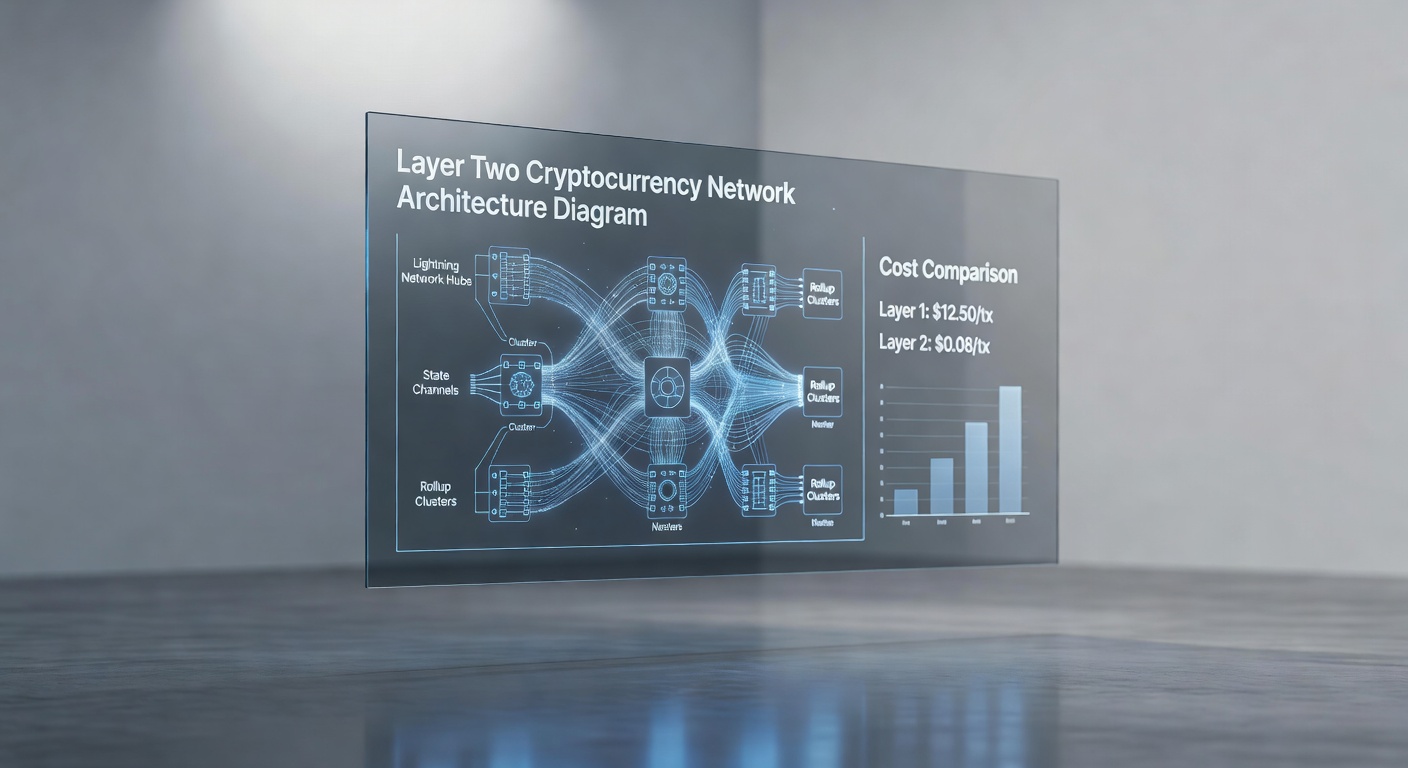
Ethereum is the foundational blockchain for cryptocurrency betting. Bitcoin is too slow. Ethereum supports smart contracts. A contract can verify bets, hold escrow, and distribute winnings.
But Ethereum is expensive. Mainnet transactions cost $1 to $20 each depending on network congestion. For a $100 bet, the tax is substantial. Layer 2 solutions reduce this tax dramatically.
The Layer 2 Concept
Layer 2 networks process transactions off the main Ethereum chain. Polygon is a sidechain. Arbitrum is an optimistic rollup. Both achieve the same result: transactions are cheaper and faster.
You deposit USDC on Ethereum. The deposit is locked in a smart contract. You receive USDC on Polygon (a representation of your Ethereum deposit). You play on Polygon. Transactions cost $0.01 each.
When you withdraw, your Polygon USDC is converted back to Ethereum USDC. This withdrawal is the only transaction that hits Ethereum mainnet. Cost is approximately $1 to $5 depending on mainnet congestion.
Polygon Adoption
Polygon is the most widely adopted Layer 2 for betting. Stake (major sportsbook) runs on Polygon. Aave, a major DeFi protocol, uses Polygon. Polygon has 140+ million transactions per day.
Polygon costs approximately $0.01 to $0.05 per transaction. This is 100-1000x cheaper than Ethereum mainnet.
Arbitrum Adoption
Arbitrum is newer than Polygon but gaining adoption rapidly. DraftKings tested Arbitrum integration in 2023. Arbitrum uses optimistic rollups, which are technically different but achieve similar results.
Arbitrum costs approximately $0.05 to $0.20 per transaction. Slightly more expensive than Polygon but still 10-100x cheaper than Ethereum mainnet.
The Security Trade-off
Polygon achieves finality through validator consensus. If you do not trust Polygon validators, your risk is higher than on Ethereum. However, Polygon is backed by a large validator set and significant financial incentives for honesty.
Arbitrum achieves finality through fraud proofs. If someone disputes a transaction, it is re-executed on Ethereum. This means Arbitrum inherits Ethereum-level security, with a slight delay.
For betting purposes, both offer sufficient security. Your funds are protected if the operator is honest. If the operator is dishonest, Layer 2 security is irrelevant (they steal anyway).
Operator Economics
An operator running on Ethereum mainnet pays $1-2 per customer per deposit, $1-2 per withdrawal. At 100,000 customers per month, this is $200,000+ in transaction fees.
An operator on Polygon pays $0.01 per deposit, $0.01 per withdrawal. Same 100,000 customers, approximately $2,000 in transaction fees.
The cost difference is material. Operators are migrating to Layer 2 because it improves their bottom line.
Other Layer 2 Solutions
Beyond Polygon and Arbitrum, other Layer 2 networks exist. Optimism is an optimistic rollup competing with Arbitrum. Starknet uses zero-knowledge proofs. zkSync offers another alternative.
No single Layer 2 has monopoly status. Competition between Layer 2 solutions benefits operators and players through lower fees and faster innovation.
The Future
Ethereum mainnet will likely consolidate to settlement and security. All betting transactions will occur on Layer 2. Periodically, Layer 2 validators will submit bundles of transactions to Ethereum for settlement.
This creates a two-tier system: cheap, fast Layer 2 for transactions. Ethereum for security and settlement. Players benefit from cheap transactions. Operators benefit from reduced costs. Ethereum remains the secure settlement layer.
Practical Implementation
For players, Layer 2 adoption is transparent. You deposit via Polygon at a sportsbook and the experience is identical to Ethereum. You do not think about which Layer 2 you are using. You simply experience faster, cheaper transactions.
For operators, Layer 2 adoption is essential. Without Layer 2, transaction costs would make small bets unprofitable. Layer 2 solutions enable operators to serve users making small deposits and frequent transactions without losing money on transaction fees.
Markets in this line
Keep reading
Same market
 Sports BettingPlayer Prop Line Movement: News Clocks and Injury Tags
 GuidesWhat to Do When Your Casino Withdrawal Fails: A Long Look at a Small Problem
 GuidesMMA Style Matchups: What The Numbers Miss
 Sports BettingSame-Game Parlays: Fun, But Are They Profitable
 Sports BettingHow Technology Is Reshaping the Sports Betting Industry
 Crypto GamblingDecentralized Poker: The Mechanism Problem