
Live Roulette Strategy: The Truth About Betting Systems
I spent forty years rebuilding slot machines. Roulette systems are snake oil. They don't beat randomness. But people keep trying.
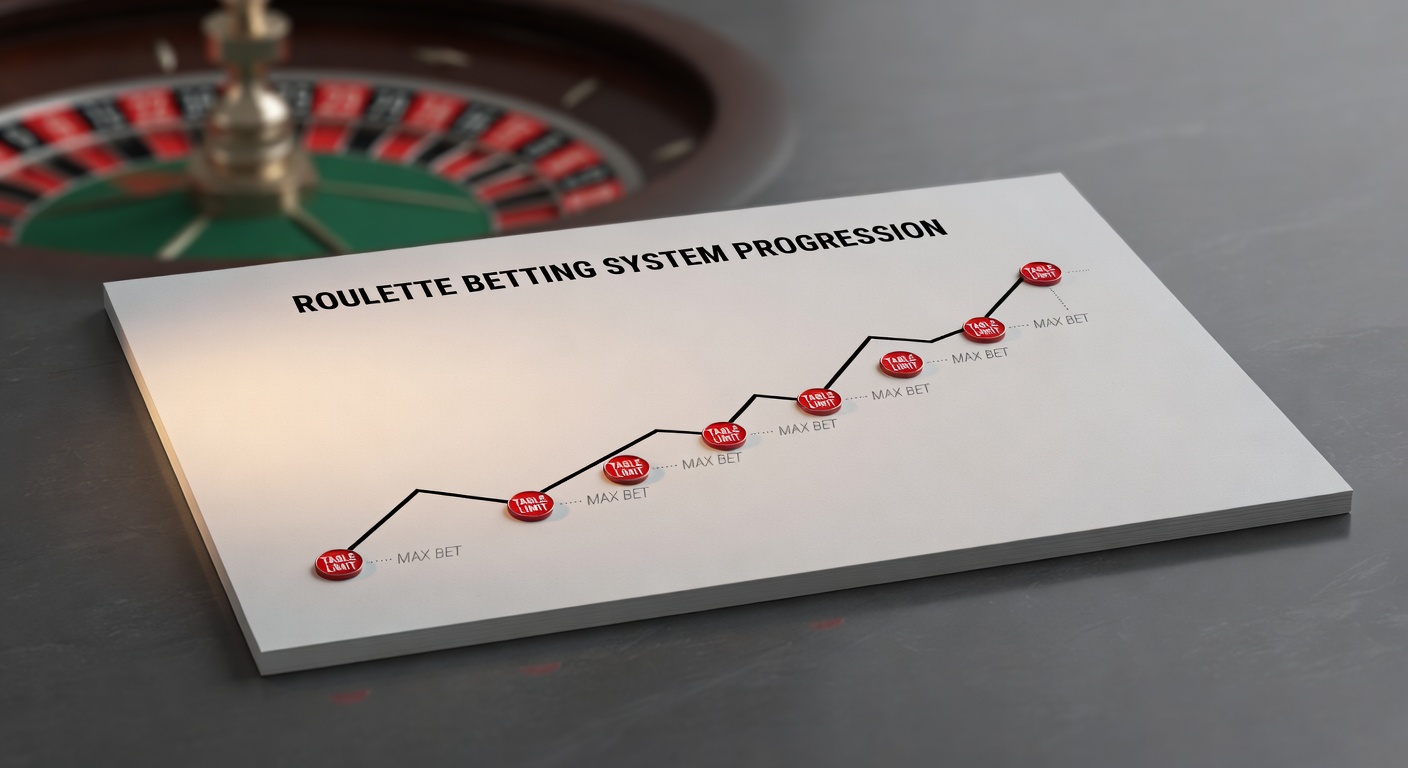
Live roulette is a game where a wheel spins and a ball lands on a number. The payout is fixed. Red or black, odd or even, specific number. Your expected loss is the house edge.
People have been trying to beat roulette for centuries with betting systems. The Martingale system (double your bet after each loss). The D'Alembert system (increase by one unit after loss). The Fibonacci system (follow the sequence). Dozens of others.
Every single one fails in the long run because they all assume that previous results influence future outcomes. They don't. The wheel has no memory.
How Betting Systems Work
A betting system tells you how much to bet based on your recent results. You lose a hand, so you increase your next bet. You win, so you decrease it.
The logic is that you'll catch a win streak eventually and your increased bets will make up for earlier losses.
This sounds good in theory. In practice, the house edge still applies to every spin. A betting system doesn't change the house edge. It just changes when you lose money.
The Math
Roulette has a house edge of 2.7% (European) or 5.26% (American). This is built into the odds. For every 100 pounds wagered, you'll lose 2.7 pounds on average.
A betting system doesn't change this. If you play 100 rounds at 10 pounds per bet using the Martingale system, you're still facing the house edge on the same 1,000 pounds in total bets.
What the system does: it concentrates your losses at certain times and your wins at other times. So you might lose big once and win small many times, or the reverse.
But the average is still the same: lose 2.7% of your wagers.
The Illusion
Betting systems create the illusion of control. They make it feel like you're using strategy. You're tracking streaks. You're adjusting your bets based on patterns.
But there are no patterns. The wheel is random. Your system is just a pattern you're imposing on randomness.
What Kills Betting Systems
First: limited bankroll. The Martingale system says double your bet after each loss until you win. Sounds good, right? But after 10 losses in a row, you've lost 1,023 pounds and need to bet 1,024 to win back 1 pound. Most people don't have that bankroll.
Second: table limits. Casinos set maximum bet sizes. After a few losing spins, the Martingale system has you betting beyond the table limit. You can't double down anymore. The system breaks.
Third: the house edge is still there. Even if you had unlimited bankroll and no table limits, the house edge grinds you down. You'll lose in the long run.
The Honest Approach
If you're playing roulette, accept that you're facing a negative house edge. Don't pretend a betting system will change that.
Bet small amounts. Set a loss limit. Quit when you hit it. Don't chase losses with bigger bets hoping a system will save you.
The only winning strategy at roulette is to not play roulette. But if you're going to play, play knowing the odds are against you and no system will change that.
Why I'm Sure
I'm sure because I spent four decades around gambling machines. I understand randomness. I understand house edge. I understand what systems look like from the inside.
Betting systems work once in a while. Someone tries Martingale, gets lucky, wins 200 pounds, and thinks they've beaten the system. They haven't. They were just lucky.
Tell that person to play another 1,000 rounds and they'll be down to the expected loss based on the house edge.
Roulette is pure chance. No system beats pure chance. Accept it and play for entertainment, not profit.
Markets in this line
Keep reading
Same market
 HistoryClosing Line Value Calculator: The Math Behind CLV
 GuidesUnderstanding Slot Variance: A Player's Guide
 SlotsBet Size Matters More Than Spin Count
 Live CasinoDeal or No Deal Live: Rules and Expected Value
 GuidesMMA Style Matchups: What The Numbers Miss
 Sports BettingSame-Game Parlays: Fun, But Are They Profitable