
Trustly and Pay-N-Play Casinos: An Overview
A retired bookie explains how Trustly changed the game for online punters. No credit cards. No faffing about. Just your bank account and boom.
I've been watching the betting game for forty years, right. Started in the East End, moved into the proper turf-accounting business by the time the internet started doing my head in. But I'll tell you what, when Trustly came along, I had to sit down with a pint and think about it.
Back in the day, you wanted to have a punt, you came down to the shop, you saw me or one of my lads, we took your money, we wrote your bet down. Simple. You lost, fine, that was the business. Then the online thing happened and suddenly everyone's got a betting app on their phone, which fine, good luck to them. But it's all credit cards this, e-wallet that, and honestly? I didn't trust half of it.
Then Trustly turned up.
How Trustly Actually Works
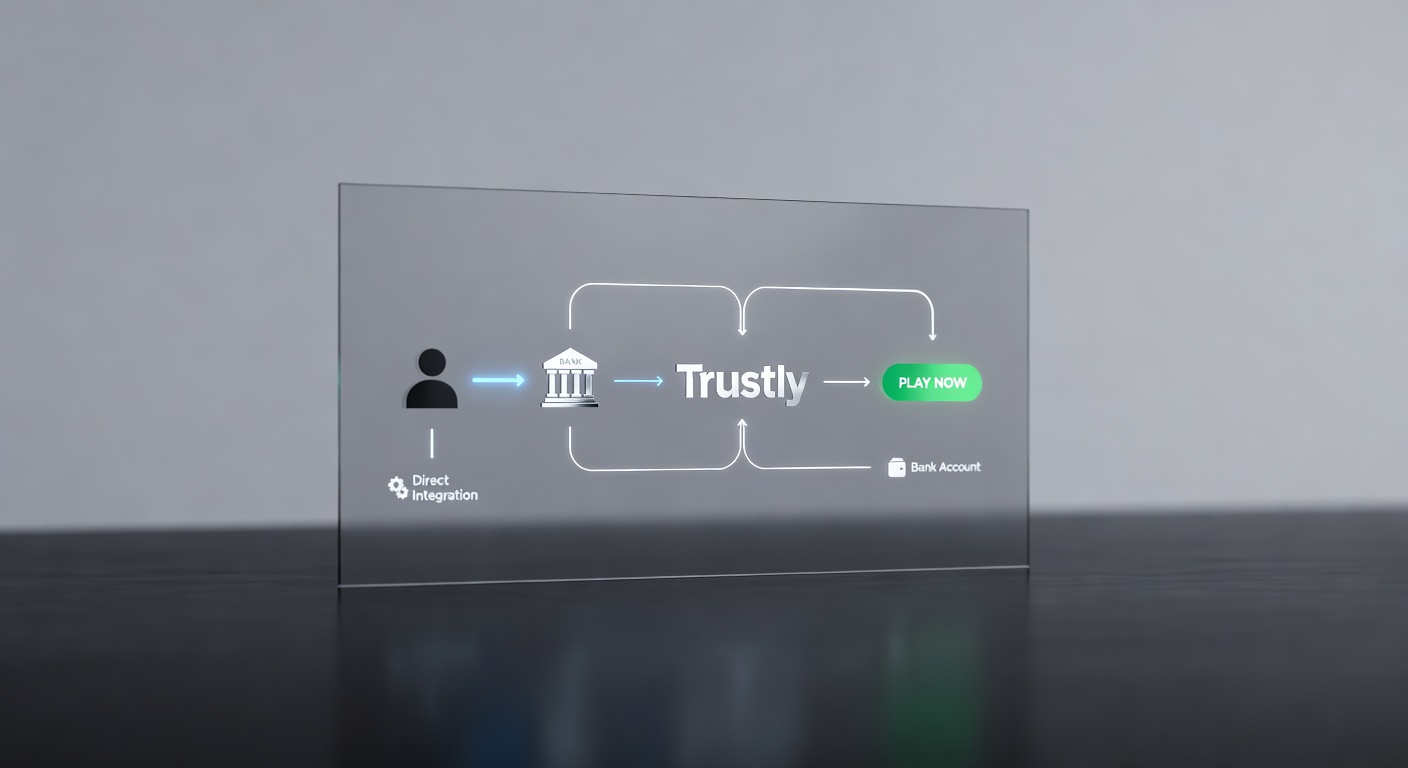
Here's the thing about Trustly: it's not pretending to be something it's not. No holding your money in a digital vault. No "we're better than a bank" nonsense. It's just a direct link between your actual bank account and the casino. You go to log in, you click deposit, and Trustly takes you to your bank's website. You log in there, you approve the transfer, and the money goes straight through. It's done in minutes, sometimes seconds.
I've seen a lot of payment dodges in my time. Seen punters try to hide transfers from their wives, seen bookies get tangled up in money-laundering regulations that don't even make sense to the lawyers. But Trustly? It's clean. Your bank knows about it. The casino knows about it. You know about it. No secrets, no gray area.
The reason the casinos like it is that it's obviously legitimate. Your bank is involved, see. From the casino's side, they're not holding your money as float. They don't have to sit on your cash waiting for a chargeback that might come in two weeks. Money goes in, it's actually there. Done.
Pay-N-Play and Why It's the Future
Now, Pay-N-Play is where it gets interesting. This is where you don't even need to register with the casino like you used to. You log in through Trustly, your bank authenticates you, and that's your player account right there. No username, no password, no "what's your mother's maiden name." Your bank already knows who you are better than any casino's form ever will.
I like this for a reason that probably shows my age. There's no messing. No sign-up bonus that turns out to have terms only a lawyer could parse. No account holds because somebody thinks you're dodgy. Your bank says you're you? You're you. Your bank says you've got the money? You've got it.
For the casinos, it's brilliant because they get age verification and identity verification for free. Your bank isn't going to let a fourteen-year-old open a real bank account. So if you can get money out of it, you're legal age. Simple.
From a player's side, the speeds are genuinely faster. I've seen deposits that take less time than it takes to walk to the loo. Withdrawals the same. Your money goes back to your actual bank account, not some digital wallet you have to then transfer out.
The Catch
But here's where my old bookie sense kicks in. Nothing's perfect, is it? Trustly works great if your bank supports it, which most do in Europe but not all. And Pay-N-Play is growing but it's not everywhere yet. Some of the big sites still want you to do it the old way.
Also, and I don't say this lightly, once the money's in your bank, it's in. No fancy digital wallet you can pause. That's good for people with discipline. Bad for people who don't have it. Your bank account's your real money, see. Act like it.
Trustly and Pay-N-Play are basically the honest way to do what we should have been doing all along. Direct transfer from you to them, no middleman, no messing about. After four decades of watching the games, I can tell you: when someone stops trying to be clever and just does it straight, that's when you know it's the future.
Markets in this line
Keep reading
Same market
 Sports BettingPlayer Prop Line Movement: News Clocks and Injury Tags
 GuidesNo Vig Fair Odds Calculator: Three Methods, Worked Through
 GuidesUnderstanding Slot Variance: A Player's Guide
 GuidesWhat to Do When Your Casino Withdrawal Fails: A Long Look at a Small Problem
 GuidesMMA Style Matchups: What The Numbers Miss
 Crypto GamblingDecentralized Poker: The Mechanism Problem