
How Stablecoin Betting Is Changing Online Sportsbooks
USDC and USDT have changed how sportsbooks process deposits and withdrawals. The infrastructure benefits operators more than players.
A Bally slot machine from 1985 used a mechanical reel and a simple coin mechanism. I knew every part of that machine. I could tear it down in an hour and rebuild it perfectly. Today I look at a sportsbook running on Polygon blockchain and I feel like a mechanic looking at a spaceship.
Stablecoin betting is not new technology. USDC and USDT have been around for years. But sportsbooks have only recently started accepting them as primary deposit methods. This is a significant infrastructure shift.
How Stablecoin Deposits Work
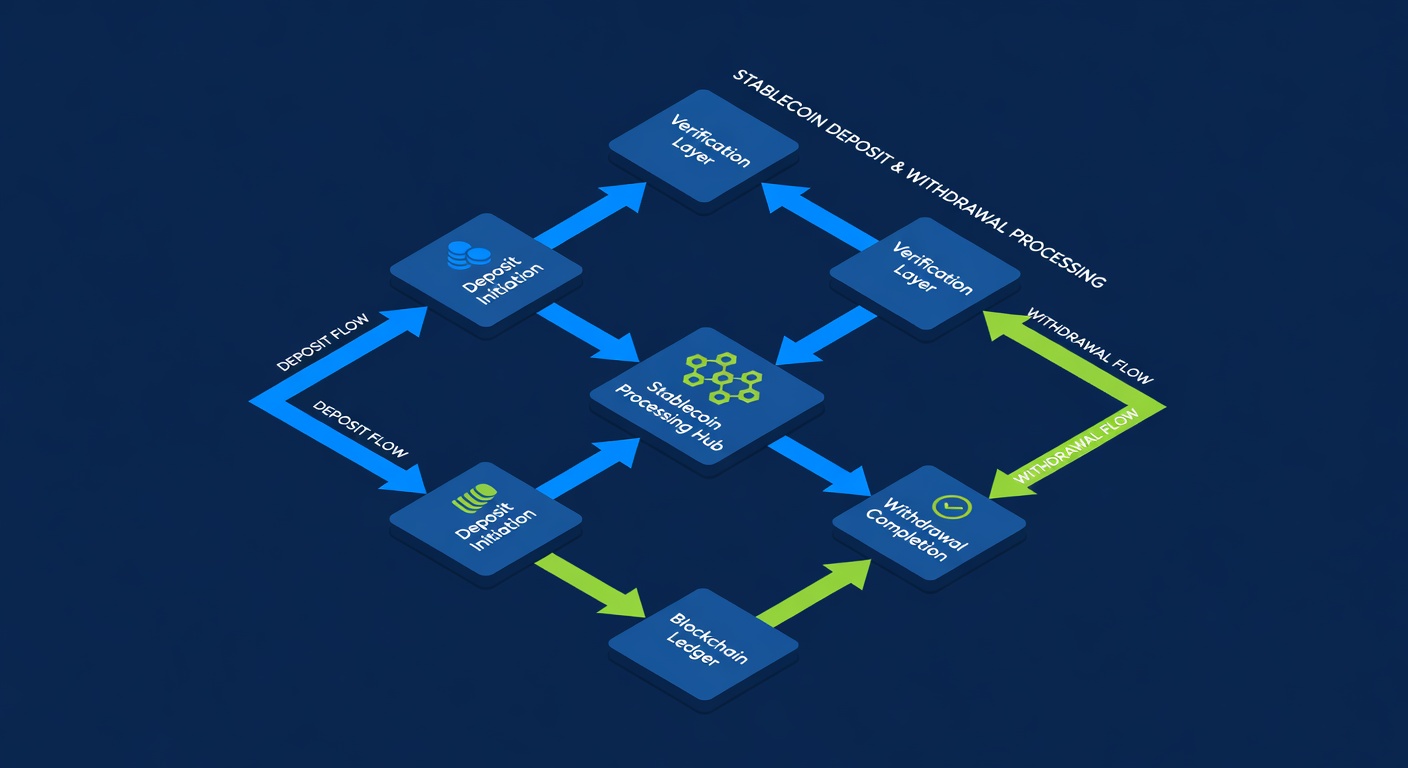
A player creates a wallet (Metamask, Coinbase Wallet). They purchase USDC or USDT on a cryptocurrency exchange. They transfer it to their wallet. They connect the wallet to the sportsbook. The sportsbook's smart contract receives the stablecoin and credits the player's account.
From the player's perspective: deposit completes in minutes. From the sportsbook's perspective: funds are received on-chain, converted to internal accounting, matched against player accounts.
The old system: player submits bank transfer, waits one to three days for settlement. Sportsbook waits for the bank to confirm funds received, then credits the player's account. The new system: player submits wallet transfer, waits thirty minutes for blockchain confirmation. Sportsbook receives the funds and credits instantly.
The Infrastructure Benefit
This sounds like a player advantage. Faster deposits. Actually, it is primarily an operator advantage.
Stablecoin deposits eliminate intermediary banks. A bank charges 1.5 to 3 percent for international transfers and currency conversion. The sportsbook can skip the bank and receive funds directly on-chain. The fee goes from 2.5 percent to 0.1 percent.
At a sportsbook with one billion dollars annual volume, a one-percent savings in deposit fees is ten million dollars annually. This is not invisible. This is material margin improvement.
Sportsbooks have not reduced deposit minimums or offered better odds to reflect the savings. The cost advantage goes entirely to the operator.
The Withdrawal Question
Withdrawals are more complex. A player wants to withdraw USD to their bank account. The sportsbook can pay them in USDC to their wallet (fast, low cost). But the player wants dollars, not stablecoins.
The player converts USDC to USD through a cryptocurrency exchange. They pay the exchange a fee (typically 0.5 to 2 percent depending on the exchange). They wait for the exchange to settle the funds to their bank account (one to three days, same as a traditional withdrawal).
Stablecoins have not actually made withdrawals faster. They have shifted the withdrawal process: instead of sportsbook to bank, it is sportsbook to player's wallet to exchange to bank. The total time has not improved. The fee has shifted from the sportsbook to the player's exchange.
The Regulatory Angle
Sportsbooks offering stablecoins claim they are offering cryptocurrency betting. From a regulatory perspective, this creates ambiguity. Is stablecoin betting "cryptocurrency betting" or "fiat betting using a cryptocurrency wrapper"?
Different regulators have different frameworks. The Curaçao eGaming Commission is permissive. USDC betting is welcome. The UK Gambling Commission is stricter. USDC is permitted, but the sportsbook still requires AML verification, KYC documentation, and follows all UK requirements as though the deposit were traditional.
Operators use stablecoins to serve players in jurisdictions where traditional banking is restricted. A player in a country with capital controls can purchase USDC and bet it at a sportsbook. The player never needs to move money through the restricted banking system. This is useful.
Operators also use stablecoins to reduce settlement risk. A traditional deposit requires the sportsbook to trust the bank's clearing process. A stablecoin deposit is final once the blockchain confirms it. The sportsbook has the funds. No future reversal is possible.
The Player Reality
Stablecoin betting is available. It is faster for deposits than bank transfer. It is not faster for withdrawals because players ultimately want USD, not USDC.
Stablecoins allow players to avoid traditional banking, which is valuable if you live in a jurisdiction with capital controls. For most players in developed economies, the benefits are marginal.
The real winner is the operator. Lower deposit fees without corresponding player benefits is a margin expansion. Sportsbooks have integrated stablecoins not because players demanded it, but because it improves their financial performance.
Mechanics understand machines. I can appreciate a system that reduces friction and improves performance, even if the human using it does not notice. Stablecoins are like that for sportsbooks. The players do not notice the margin expansion. The operators do.
Markets in this line
Keep reading
Same market
 Sports BettingPlayer Prop Line Movement: News Clocks and Injury Tags
 GuidesUnderstanding Slot Variance: A Player's Guide
 SlotsBet Size Matters More Than Spin Count
 GuidesWhat to Do When Your Casino Withdrawal Fails: A Long Look at a Small Problem
 GuidesMMA Style Matchups: What The Numbers Miss
 Sports BettingSame-Game Parlays: Fun, But Are They Profitable