
How VIP Programs Work at Crypto Casinos
VIP programs at crypto casinos use the same mechanics as traditional operators, but with different compliance layers. Here's what you're actually buying.
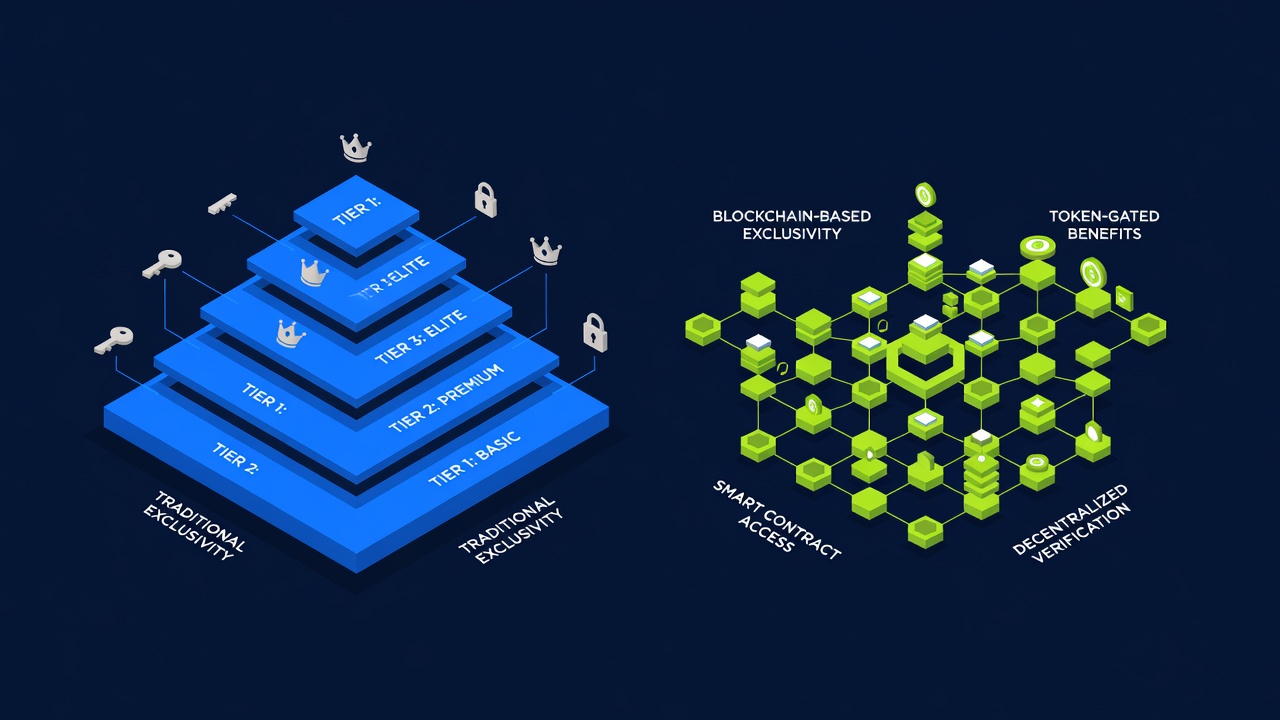
I spent twelve years grinding from Kansas City to Tahoe, living on comps and watching casinos measure their losses in my wins. Learned early that the VIP room isn't about luxury; it's about surveillance and margin control. Crypto casinos use the same playbook, just with blockchain instead of pit bosses.
The structure at a crypto casino VIP program mirrors traditional gaming: you hit tier 1 at some deposit threshold (usually 1 Bitcoin or equivalent), and each tier unlocks specific things. More cashback. Personalized support. Higher withdrawal limits. Tournament invitations. The difference is speed. A traditional Vegas operator might take weeks to issue a comp. A crypto casino processes it in minutes. That's the actual advantage.
The Economics of VIP Tiers
Here's what people misunderstand: VIP programs aren't perks given to generous whales. They're purchase incentives designed to increase volatility on your account and lock you into longer sessions. The math is simple. You're awarded points (sometimes called "rake back" or "loyalty rewards") based on action, not winnings. So a player losing 2 Bitcoin gets the same point accumulation as one winning 2 Bitcoin. The house doesn't care which direction you go; they care about total volume.
Crypto casinos specifically structure their VIP programs to encourage staking on lower-edge games. Pragmatic Play slots (average RTP 96%) earn fewer points per unit bet than their house-edge tables. DraftKings uses a similar model on sportsbooks. The incentive is engineered. Bet on the thing with thinner margins, earn your tier faster, feel better about bigger losses.
The mid-tier (usually tier 2 or 3) is where the cage closes tightest. You're comfortable enough to stay, committed enough to hit withdrawal minimums, but not large enough to trigger actual underwriting review. This is where crypto casinos make their money. A $10,000 player at tier 2 is ideal: high enough action to be profitable, too small to attract compliance scrutiny.
Withdrawal limits unlock at higher tiers, and this matters more in crypto than fiat. Traditional operators need banking relationships; crypto casinos don't. But they do need to manage AML documentation and regional licensing. VIP tier 4 or 5 unlocks the ability to withdraw larger amounts in single transactions. Tier 1 might cap you at $2,500 per withdrawal; tier 5 might be unlimited. That's a compliance architecture, not a perk.
The real function of VIP programs is to segment players by risk profile and profitability, not to reward them for loyalty.
Personalized account managers appear at tier 3 usually. This person isn't there to be your friend; they're there to upsell. They'll offer deposit matches, free tournament entries, bonus codes unavailable to the general population. But these offers always come with strings: higher playthrough, restricted to specific games, sometimes tied to raising your bet size. You think you're getting a better deal. You're actually getting repositioned into a higher-loss scenario.
Tournament invitations are the needle they use. A crypto casino will float a $5,000 tournament ticket to a tier-4 player, saying "this is for you, VIP only." But that ticket costs the casino nothing to create; it's just a promotional chip. The real cost to you is the increased action; you play harder, longer, to justify the perceived generosity. This is classic behavioral design.
Bankroll management, which I learned the hard way over a thousand hotel rooms, means understanding that VIP perks are disguised velocity increases. More cashback equals more reason to keep playing. Personalized support equals permission to increase stakes. A free tournament entry equals accepting a sunk-cost of time and energy. The casinos don't give you anything; they sell you back a portion of what you've already lost, and you feel good about it.
The actual value in crypto casino VIP programs is information. Tier 4 and up, you might get data on game performance, your own heat maps of play, or insights into your betting patterns. That information is worth something; it teaches you to see your own leaks. But most players use it to double down on what's not working, which is exactly what the operator wants.
Markets in this line
Keep reading
Same market
 Crypto GamblingDecentralized Poker: The Mechanism Problem
 Crypto GamblingPlaying Roulette With Cryptocurrency: The Numbers and the Risks
 Crypto GamblingStablecoin Roulette: Why USDT and USDC Are Common Choices
 BonusesWhat Free Spins Actually Are
 Crypto GamblingCommon Red Flags of Shady Crypto Gambling Sites
 Crypto GamblingBitcoin Deposits at Online Casinos: The Basics