
Voisins du Zero, Tiers, and Orphelins: Called Bets Explained
Called bets in European roulette are complex wagering patterns that cover multiple numbers simultaneously.
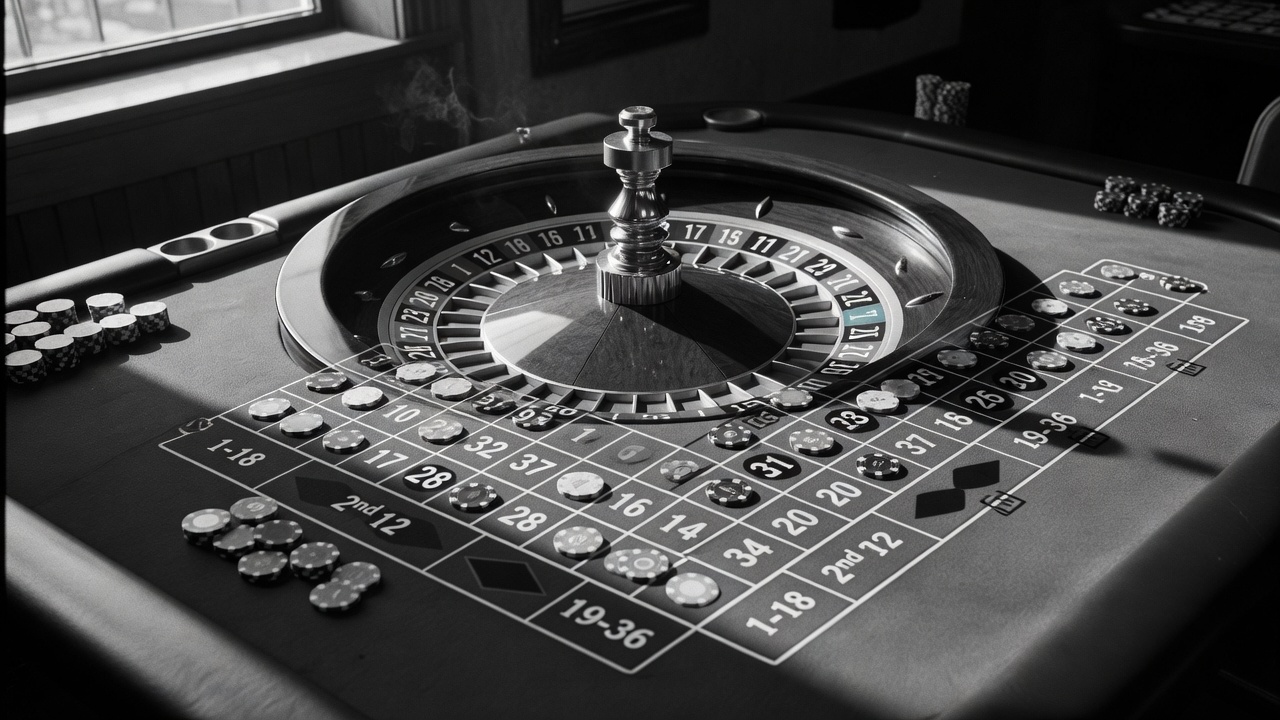
Called bets are roulette bets on specific sectors of the wheel. European roulette wheels have numbers 0-36. The numbers are arranged in a specific order around the wheel. Called bets exploit the wheel's physical layout.
Voisins du Zero (neighbors of zero): covers 17 numbers close to zero on the wheel: 22, 18, 29, 7, 28, 12, 35, 3, 26, 0, 32, 15, 19, 4, 21, 2, 25. It is 9 chips (a bet requiring 9 units of currency). Most casinos pay based on specific number hits within this range.
Tiers du Cylindre (third of the wheel): covers the opposite side of the wheel from zero: 27, 13, 36, 11, 30, 8, 23, 10, 5, 24, 16, 33, 1, 20, 14, 31, 9, 22. Also 6 chips.
Orphelins: the 8 numbers not covered by Voisins or Tiers: 17, 34, 6, 1, 20, 14, 31, 9. Also requires specific chip configuration.
These bets cover almost the entire wheel. A player who makes all three bets covers 26 of 37 numbers. Only 11 numbers (plus 0) are uncovered. If the ball lands on a covered number, the player wins. If it lands on an uncovered number, the player loses all three bets.
The math
These bets have the same house edge (2.7 percent for European roulette) as any other roulette bet. Covering 26 numbers sounds like a good strategy (71 percent of the wheel). Actually, the payouts are adjusted so the house still makes money.
If you cover 71 percent of numbers, you expect to win 71 percent of spins and lose 29 percent. The payouts are structured so that your total winnings on 71 winning spins equals your total losses on 29 losing spins plus the house edge.
This is a zero-sum game. Covering more numbers does not improve your expected value. It just distributes the expected loss across more outcomes.
Why players use them
Called bets feel sophisticated. The roulette terminology (Voisins, Tiers, Orphelins) sounds professional. The math sounds complex. But the expected value is identical to simple bets.
Players use them because they feel like they are playing strategically. Actually, they are just distributing the same negative expectation across more numbers.
The only advantage
Called bets can reduce variance slightly. Instead of betting on 1 number and losing frequently (37/37 times you lose, 1/37 times you win), you bet on 26 numbers and lose less frequently (11/37 times you lose). Your wins are smaller (you split money among multiple numbers), but they are more frequent.
For a player who dislikes big losing streaks, this is psychologically better. For a player doing expected value calculation, it makes no difference.
The practical reality
If you enjoy roulette, called bets are fine. They are no worse than regular bets. They do not improve your expected value, but they do not harm it either. The house edge is identical.
If you are trying to beat roulette through strategy, called bets will not help. No betting strategy beats a negative-expectation game.
Keep reading
Same market
 Sports BettingPlayer Prop Line Movement: News Clocks and Injury Tags
 GuidesNo Vig Fair Odds Calculator: Three Methods, Worked Through
 HistoryClosing Line Value Calculator: The Math Behind CLV
 GuidesUnderstanding Slot Variance: A Player's Guide
 SlotsBet Size Matters More Than Spin Count
 Live CasinoDeal or No Deal Live: Rules and Expected Value