
Daniel Negreanu: From Toronto Pool Halls to Poker Royalty
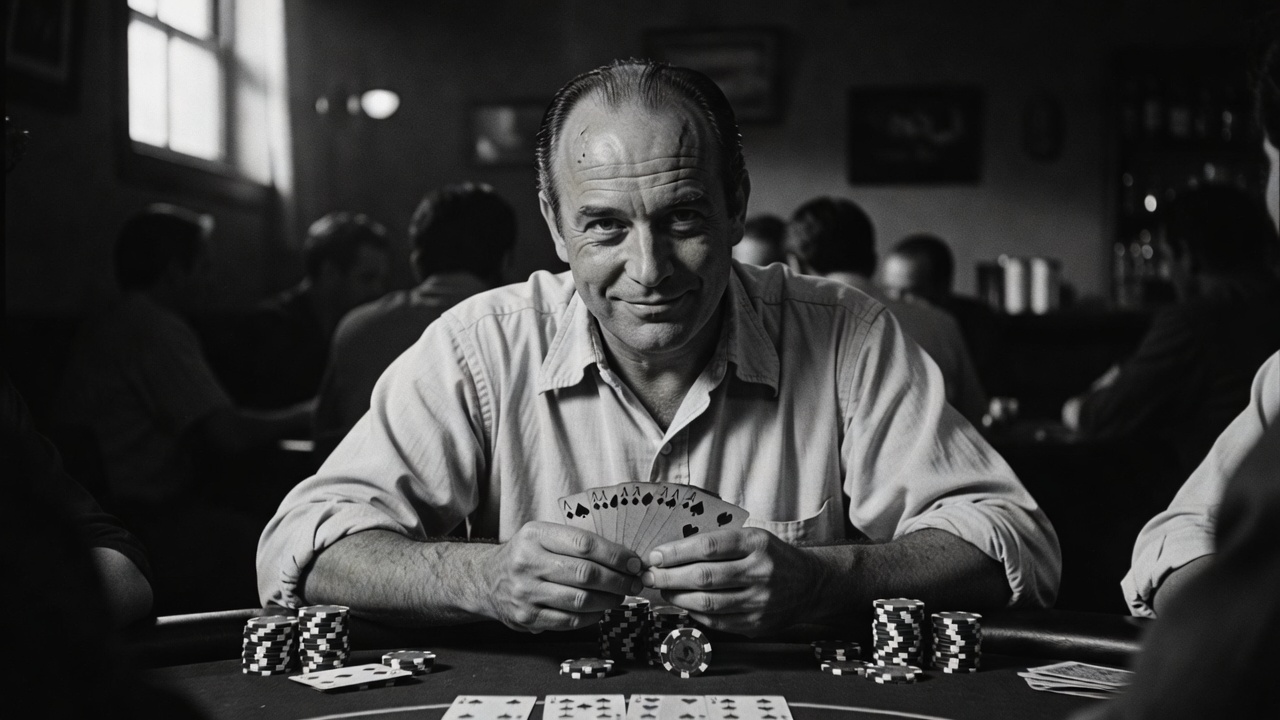
Daniel Negreanu has won six World Series of Poker bracelets and approximately 42 million dollars in tournament earnings. He is fifth all-time in career tournament winnings. He is also the exact opposite of how most successful poker players describe playing poker. He is emotional. He is expressive. He bluffs audaciously. He talks constantly at the table. Conventional poker wisdom says this should make him lose. Instead it made him legendary.
Negreanu grew up in Toronto playing pool and small-stakes poker in dim rooms with lower-stakes players. He moved to Las Vegas in the early 1990s with no money and an unshakeable belief that he was good. This belief was not arrogance. It was correct. He studied the game. He played thousands of hands. He noticed things about how people played that other people did not notice. He had one particular edge: he was unpredictable in a way that made it hard for others to categorise him.
Most successful poker players optimise for unexploitability. They want to be balanced, hard to read, consistent. Negreanu did the opposite. He wanted to be readable in ways that confused people. If he was loud and aggressive, people expected him to bluff more. Then he would show up with premium hands. If he was quiet, people expected him to have strong hands. Then he would bluff. The misdirection came not from hiding emotion but from expressing it dishonestly.
This is harder than it sounds. You have to be a good enough player that your misdirection costs you nothing. A bad player who plays unpredictably just loses faster. Negreanu was good enough that unpredictability was a feature, not a bug. His bets had value. His bluffs had frequency. He just did not look like he was calculating it.
The World Series Performance
Negreanu won his first WSOP bracelet in 1995, when he was 21, playing in an Omaha hi-lo tournament. He has won others in various games: no-limit hold'em, pot-limit Omaha, Razz. The diversity is notable. Most champions specialise. Negreanu played everything. This meant he never developed the deep expertise that specialisation provides, but it also meant he was not vulnerable to players who studied one game obsessively against his style. He was always the guy you did not quite understand.
He made several finals tables at the World Series main event, the 10,000-dollar no-limit hold'em championship. He has never won it, which bothers him, by his own admission. He has come close twice. In 2008 he finished second. In 2013 he finished fourth. To a professional poker player, not winning the main event is like being a tennis player who has never won Wimbledon. It is not a logical thing. The prestige is partly arbitrary. But it is felt keenly.
Negreanu's peak was arguably 2009-2010. He won multiple major tournaments in this period. He played the highest stakes cash games in Las Vegas and came away winning. His peak earnings year was 2012, when he made 17 million dollars. He was not just good. He was dominant. The style that should have made him lose was instead making him win.
The Streaming Era
In recent years, Negreanu has become famous not for winning tournaments but for playing poker on Twitch. He streams his sessions several times a week. He explains his thinking out loud. He shows his hole cards. This is the opposite of poker as traditionally played. Poker is about hidden information. Streaming eliminates the hidden part. It becomes entertainment. Negreanu is genuinely entertaining. He is funny, self-aware, willing to criticise himself. People watch.
This is probably where Negreanu's legacy will live. Not in his tournament winnings, though those are considerable. But in the fact that he made poker visible. He showed that you could play high-stakes poker without being a stone-faced automaton. You could be yourself. You could be talkative. You could be wrong. You could win anyway.
The players who came after Negreanu, particularly on Twitch, all learned from him. They understood that poker could be entertainment and competition simultaneously. They understood that being human at the table was not a weakness, it was a brand.
Negreanu is not the greatest poker player who ever lived. That conversation belongs to others. But he is probably the most influential to how poker is played and watched in the modern era. He changed the game by refusing to change himself.
Markets in this line
Keep reading
Same market
 Big WinsTerrance Watanabe's $127 Million Loss at Caesars Palace
 PokerMolly's Game: The Real Story Behind the Hollywood Poker Nights
 CelebritiesPamela Anderson's Poker Losses and Baywatch Paychecks
 Crypto GamblingDecentralized Poker: The Mechanism Problem
 BaccaratKerry Packer's Legendary Baccarat Loss to Private Banker
 BlackjackHow Movies Get Blackjack Wrong: A Reality Check