
Ken Uston: The Blackjack Hall of Famer Who Sued Casinos
Ken Uston was brilliant at cards and stubborn about his rights. He spent as much time suing casinos as he did beating them. His story teaches something about fighting systems bigger than yourself.
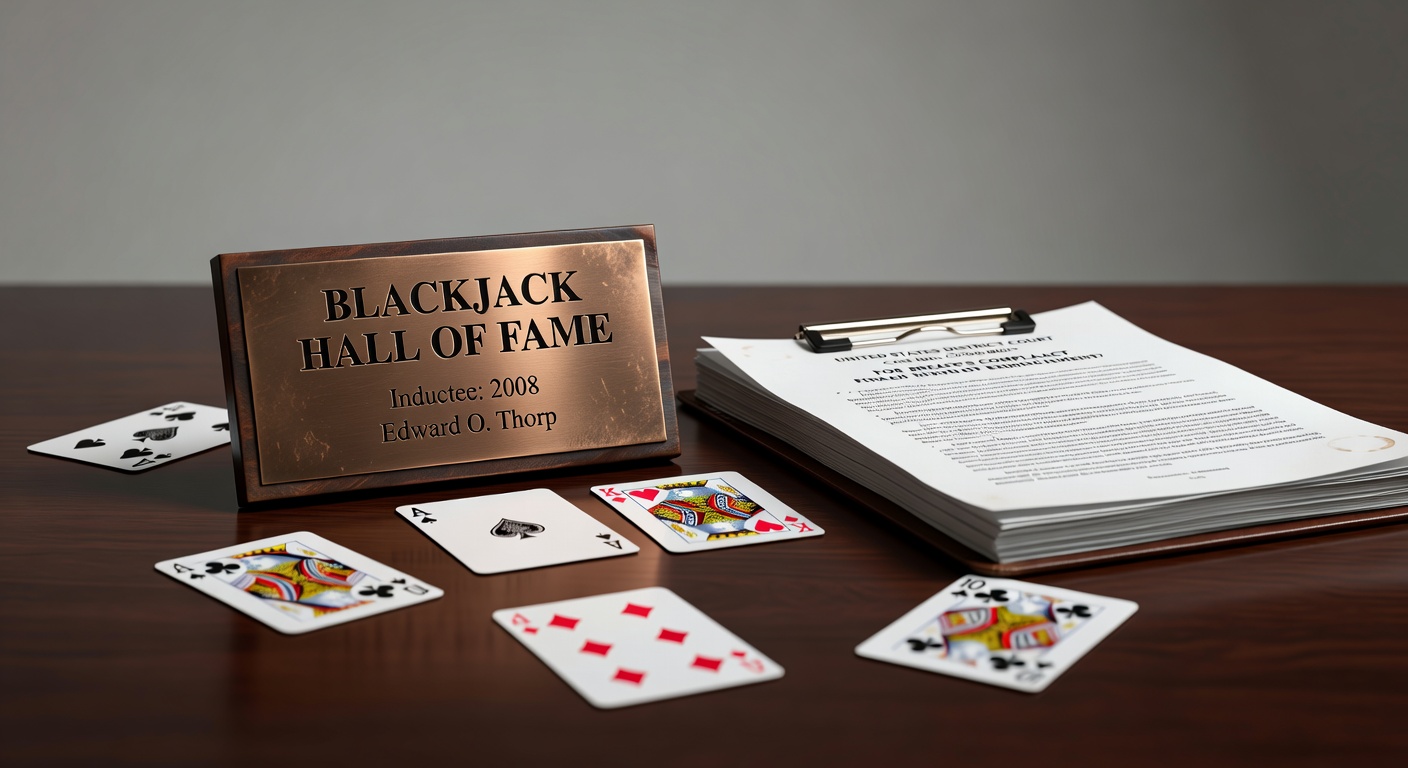
I remember reading about Ken Uston in a magazine article when I was younger. It was 1979 or 1980. I remember thinking: this man is either going to change gambling or get himself killed.
He did neither, exactly. But he left marks.
Ken Uston was born in 1935. By the 1970s, he'd become the best card counter of his generation. Not because he had the quickest fingers or the sharpest mind (though he had both). He was the best because he understood something most didn't: counting cards wasn't magic. It was work. Systems. Discipline.
He counted at the MGM Grand in Las Vegas. He won consistently. Casinos noticed. They barred him. And instead of taking his winnings and going home (like most successful counters do), Ken sued.
The Courts Get Involved
In 1979, Ken Uston v. Resorts International went to the New Jersey Supreme Court. The question was simple: can a casino bar a player for using skill?
The ruling surprised no one who'd been paying attention. The court said casinos could bar whoever they wanted from their property. It's a private business. But the ruling also said they had to give a reason publicly (no secret blacklists). They had to be consistent (can't bar Ken for counting if they let someone else do it).
Ken lost the suit. But he won something smaller and longer-lasting: he proved that card counting was real. The court acknowledged it as mathematical skill, not cheating.
What This Meant
Before Ken's case, card counting lived in rumors. It was theory. Eggheads with calculators talking about probability. The casinos pretended it didn't exist. Public opinion thought it was a myth, like advantage play in roulette.
After the trial, it was documented. It was legal. It was real. That changed everything. Within years, counters were organized into teams. Casinos were training dealers to spot them. The MIT blackjack team (which came later) wouldn't have existed without the precedent Ken set.
The Persistence
Most people would have stopped after the 1979 loss. Not Ken. He kept playing. He kept suing. He sued other casinos in other jurisdictions. He won some, lost others.
What struck me then (and strikes me now) was the stubbornness. Not arrogance. Stubbornness. He wasn't angry at the casinos. He just believed the rules should be consistent. If skill was forbidden, it should be forbidden everywhere, announced plainly. If it was legal, casinos shouldn't be able to turn players away in secret.
The Lasting Effect
Today's regulations (UKGC, MGA, even Nevada gaming commissions) include transparency requirements for player restrictions. Casinos have to explain why they're barring someone. They can't blacklist players without process.
That came from Ken's cases. Not directly, maybe. But the principle filtered through.
He died in 1987. Car accident. He was 52.
I think about him sometimes when I read about online casinos with their account restrictions. When a player complains that they were shut down without explanation. The regulations now require casinos to say why. It's because someone long before decided the system should be fair.
Ken Uston wasn't a saint. He was a card player who got good and wanted to be treated fairly. The casinos didn't want to treat him fairly. So he sued. Most people would have backed down. He didn't.
That's the story. Not that he beat the casinos. He didn't, entirely. But that he believed the game should have rules. And he was stubborn enough to fight for them.
Markets in this line
Keep reading
Same market
 HistoryClosing Line Value Calculator: The Math Behind CLV
 Big WinsTerrance Watanabe's $127 Million Loss at Caesars Palace
 GuidesUnderstanding Slot Variance: A Player's Guide
 SlotsBet Size Matters More Than Spin Count
 Live CasinoDeal or No Deal Live: Rules and Expected Value
 PokerMolly's Game: The Real Story Behind the Hollywood Poker Nights