
Uncut Gems: How Adam Sandler's Film Captured Betting Obsession
Adam Sandler plays a jewelry dealer who bets on sports. The film is brilliant at showing how betting becomes not a hobby but a compulsion that destroys everything.
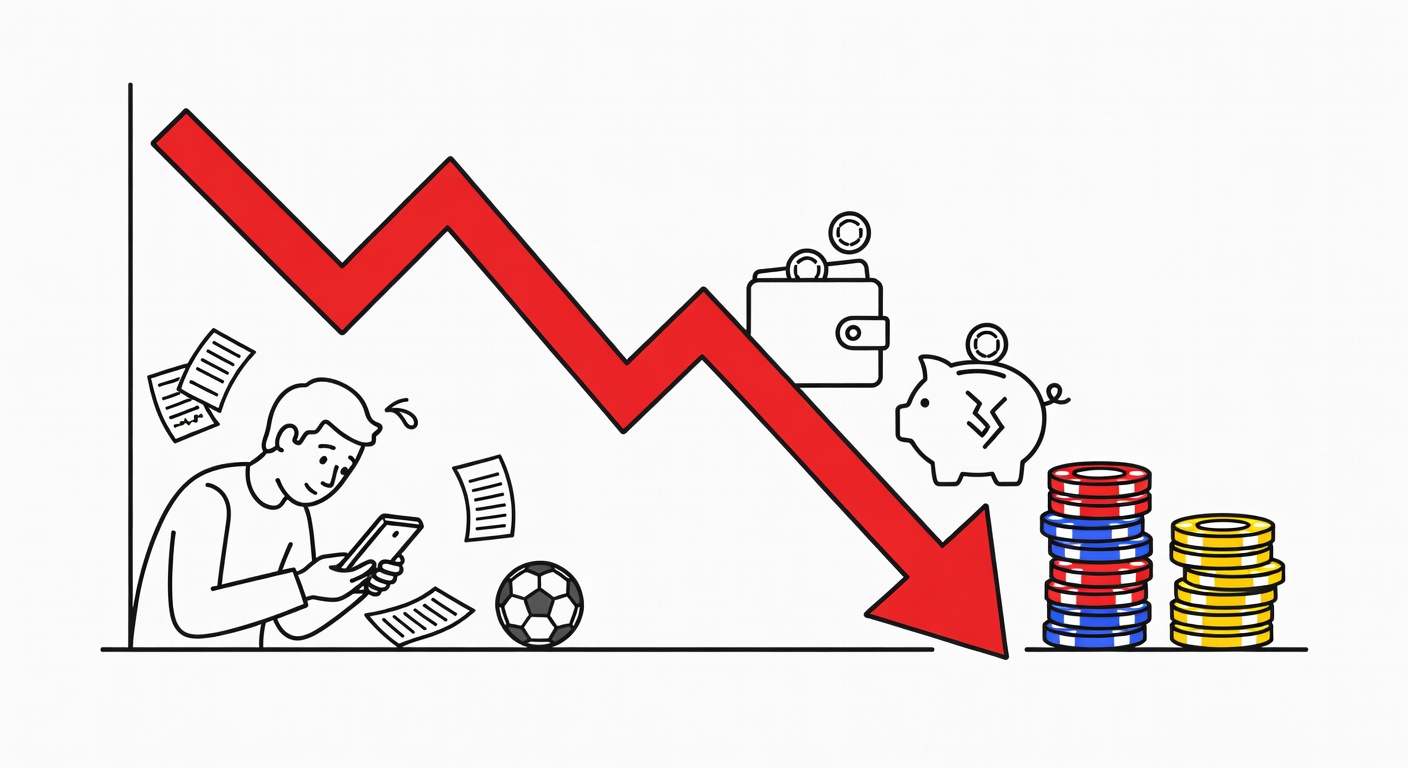
Uncut Gems is a 2019 film where Adam Sandler plays Howard Ratner, a jewelry dealer who is obsessed with betting on sports. The film doesn't glamorize his betting or treat it as entertainment. It treats it as a disease that worsens throughout the film.
What makes it brilliant is that it shows betting compulsion from the inside. Not from the outside moralizing. From Howard's perspective, every bet makes sense. The logic is always there. And the viewer understands the logic. But you also watch it destroy his life.
The Structure of Compulsion
Howard starts with wins. A big bet pays off. He's up thousands. He's feeling good about his picks. He understands the games. He's sharp.
Then he has a loss. Now he's chasing. He places another bet, bigger, trying to get the lost money back. This is the compulsion cycle.
The film shows this cycle repeatedly. Win, loss, chase. Win again briefly, loss again, chase harder.
Each time, Howard's reasoning is sound. "I know the games. This team is undervalued." "This is the right play." "I can win it back."
From the outside (and from the audience), it's obvious he's caught in a compulsion loop. But from his perspective, every bet is rational.
This is the film's genius. It shows how rationality and compulsion can coexist.
What It Gets Right
The film gets several things exactly right about betting obsession.
First: the rationalization. A person deep in betting compulsion doesn't think they have a problem. They think they're seeing opportunities others miss. Howard genuinely believes he's a sharp sports bettor. Whether he is or not doesn't matter. The belief drives the behavior.
Second: the escalation. Howard starts with reasonable bets. By the end of the film, he's betting his entire inventory of diamonds. The escalation is gradual enough that he doesn't see it. But the audience does.
Third: the isolation. As Howard's betting worsens, he isolates from his family. His wife knows something is wrong. His business partners can see he's distracted. But nobody can stop him because the compulsion is internal.
Fourth: the consequences. By the end of the film, Howard's life is in shambles. He owes money. His business is compromised. His family relationships are destroyed. But he's still betting.
What It Gets Wrong
The film is sometimes unrealistic. The pacing is frenetic in a way that exaggerates the intensity.
Howard's actual betting success is ambiguous. Is he actually a sharp bettor who gets unlucky? Or is he terrible at betting? The film leaves this open.
In reality, most people deep in betting compulsion aren't sharp bettors. They're losing consistently. But they rationalize the losses. "Bad luck." "The line was wrong." "Next week I'll win it back."
Howard might actually have an edge, which would be unusual. Most people don't.
The Ending
The film's ending is dark. Howard's betting has consequences that are irreversible. He's in debt. The film suggests he might be killed. The betting didn't save him or break even. It destroyed him.
This is the accurate part. Betting compulsion doesn't resolve itself. It escalates until something breaks. Either you stop betting, or your life breaks, or both.
Why It Matters
Uncut Gems matters because it's the first major film to take betting compulsion seriously without moralizing.
Most films treat gambling as either entertainment or as a villain's trait. Uncut Gems treats it as a psychological reality. Howard is not a bad person. He's not weak. He's caught in a compulsion that he can't escape through reason alone because reason is part of the problem.
The film shows that betting compulsion is not about moral failure. It's about a feedback loop where losses cause more betting which causes more losses.
The Lesson
If you watch Uncut Gems and think "that's not me, I'm not like Howard," pay attention. Howard doesn't think he's like Howard either. That's the film's message.
Betting compulsion is invisible from the inside. Everyone deep in it thinks they're fine, just having a rough patch. The film makes it visible.
Watch it if you're thinking about betting seriously. Watch it if you're already betting regularly. It won't make you quit, probably. But it'll give you a realistic picture of what compulsion looks like from the inside.
Markets in this line
Keep reading
Same market
 Sports BettingPlayer Prop Line Movement: News Clocks and Injury Tags
 Big WinsTerrance Watanabe's $127 Million Loss at Caesars Palace
 PokerMolly's Game: The Real Story Behind the Hollywood Poker Nights
 CelebritiesPamela Anderson's Poker Losses and Baywatch Paychecks
 GuidesMMA Style Matchups: What The Numbers Miss
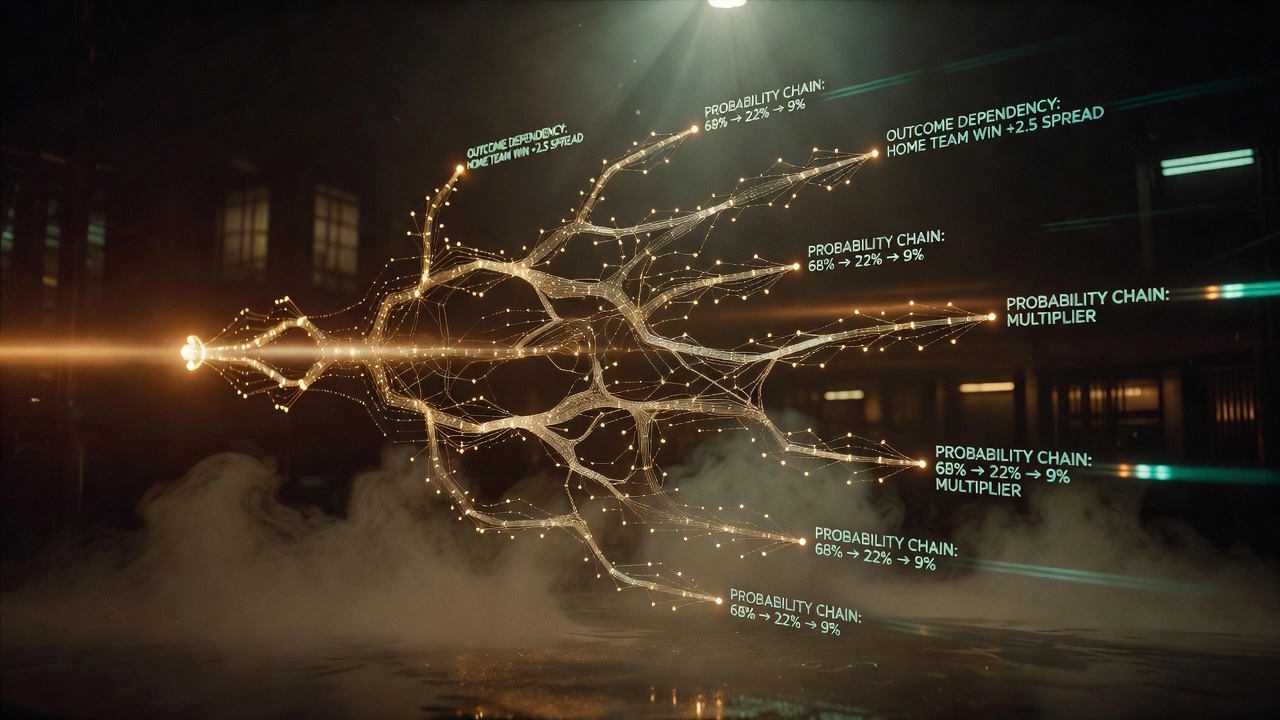 Sports BettingSame-Game Parlays: Fun, But Are They Profitable