
How Software Providers Design New Blackjack Variants
Blackjack variants like 21+3, Perfect Pairs, and Spanish 21 are designed to increase house revenue while maintaining illusion of variation.
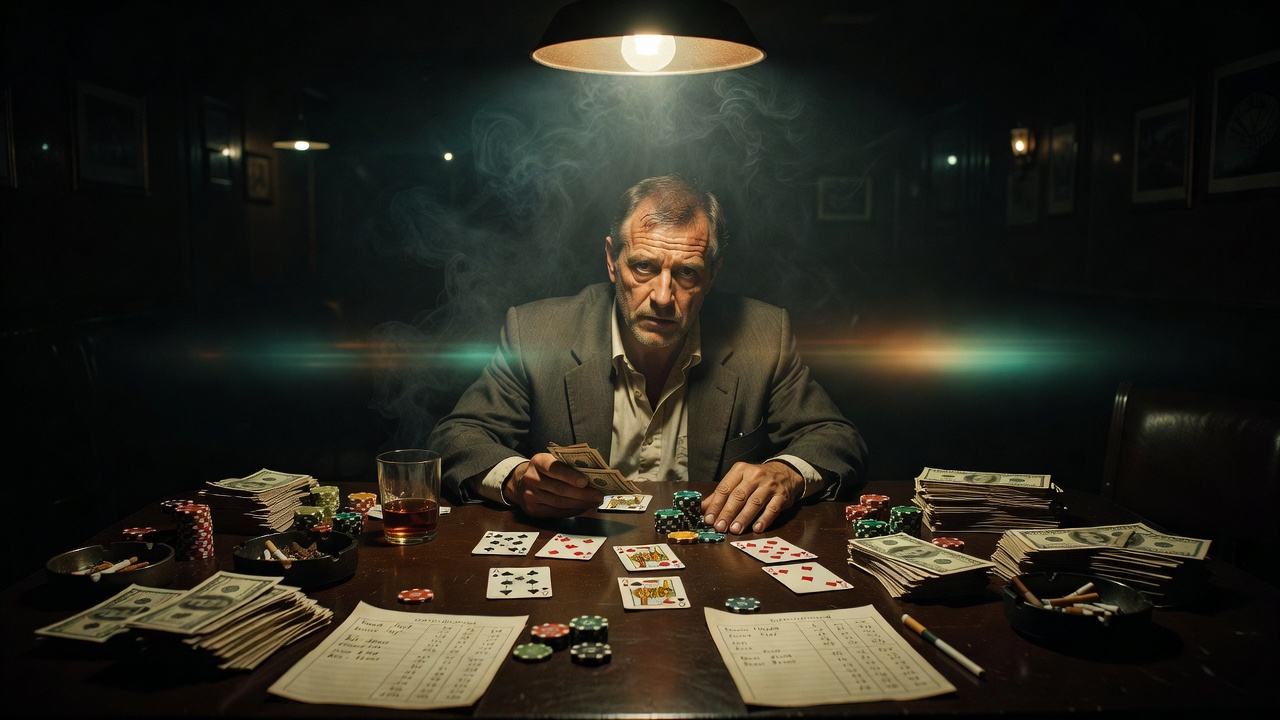
I was sitting in a poker room once, and a software engineer walked in. He ordered a drink and started talking about how they designed games. He spent two hours explaining how profitable a bad variant could be if the odds looked close to fair but weren't.
Blackjack variants are popular because they are blackjack (familiar) plus something new (side bets). The side bets generate additional revenue.
The Design Process
Software providers start with a target house edge. They want 3-5 percent on a new variant (better than traditional blackjack's 0.5 percent for skilled players, but not as bad as some table games).
They design rules that appear favorable but contain hidden edges. A variant that pays 2:1 on blackjack instead of 1.5:1 sounds good. The provider compensates by changing surrender rules or double-down options to remove the advantage.
Example: Perfect Pairs
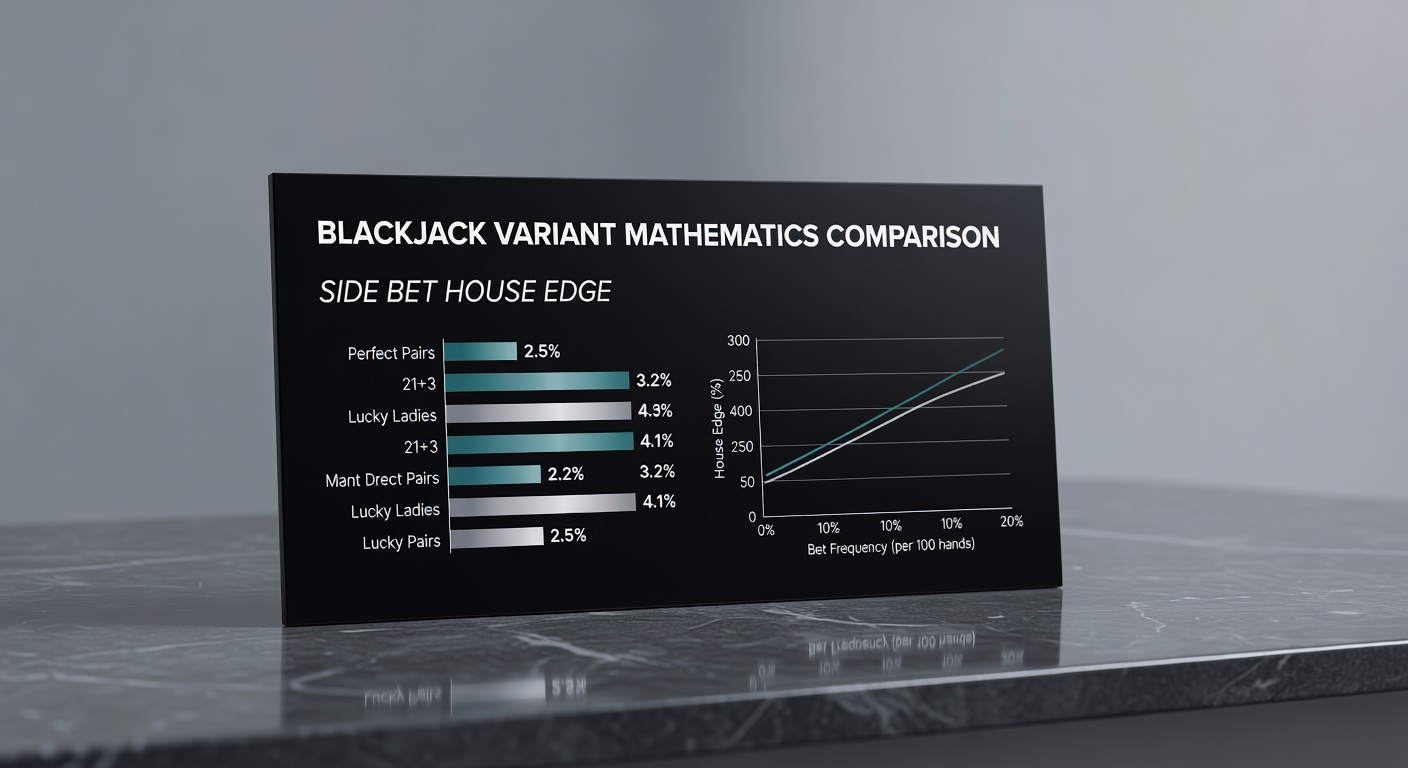
Perfect Pairs is a side bet. You bet that your first two cards will be a pair. Matching suit (perfect pair) pays 25:1. Same color (colored pair) pays 12:1. Different color (mixed pair) pays 6:1.
The probability of being dealt a pair is 1/17 (approximately 5.88 percent). The expected payout is less than the probability times the stakes requires. The house edge is approximately 2.56 percent.
Players see 25:1 payout and think they have found value. They have not. The house edge is real.
Example: 21+3
21+3 bets that your two cards plus the dealer's up card will form a poker hand (straight, flush, trips, straight flush). The game pays 9:1 for a flush, 10:1 for a straight, 30:1 for three of a kind, 40:1 for a straight flush.
The house edge on 21+3 is 3.48 percent. Better than side bets like Perfect Pairs, but worse than the main game.
Why Variants Proliferate
Blackjack is mathematically solved. Skilled players can reduce house edge to 0.5 percent or lower. This is low margin for casinos.
Variants increase house edge and generate higher revenue per player per hour. Software providers release dozens of variants. Operators test them. Variants that perform well (generate high revenue) are deployed widely.
The Evolution Process
Software providers test variants in controlled environments before release. They simulate millions of hands to calculate house edge precisely. They analyze player behavior patterns to predict how players will use the variant.
Successful variants are deployed globally. Less successful variants are quietly retired. The process is data-driven and ruthless.
The Designer's Perspective
A designer's goal is creating a game that looks fair but heavily favors the house. The illusion of fairness is critical. If players believe the odds are close but the designer knows they are not, the designer has succeeded.
Good design hides the edge. A variant where the house edge is obvious will attract fewer players. A variant where the edge is hidden attracts many players.
The Market Reality
Operators deploy variants because they increase revenue. Players use them because they offer variation and excitement. Both groups are aware of the trade-off: variants are worse mathematically than basic blackjack.
The designer's job is making the trade-off seem worthwhile. That job is accomplished through careful rule design, attractive payouts, and psychological appeal.
Keep reading
Same market
 HistoryClosing Line Value Calculator: The Math Behind CLV
 Big WinsTerrance Watanabe's $127 Million Loss at Caesars Palace
 GuidesUnderstanding Slot Variance: A Player's Guide
 SlotsBet Size Matters More Than Spin Count
 Live CasinoDeal or No Deal Live: Rules and Expected Value
 PokerMolly's Game: The Real Story Behind the Hollywood Poker Nights