
Tablet vs Phone for Online Casino Play
The hardware matters. Screen size, latency, and session behavior differ between devices in ways that affect your play.
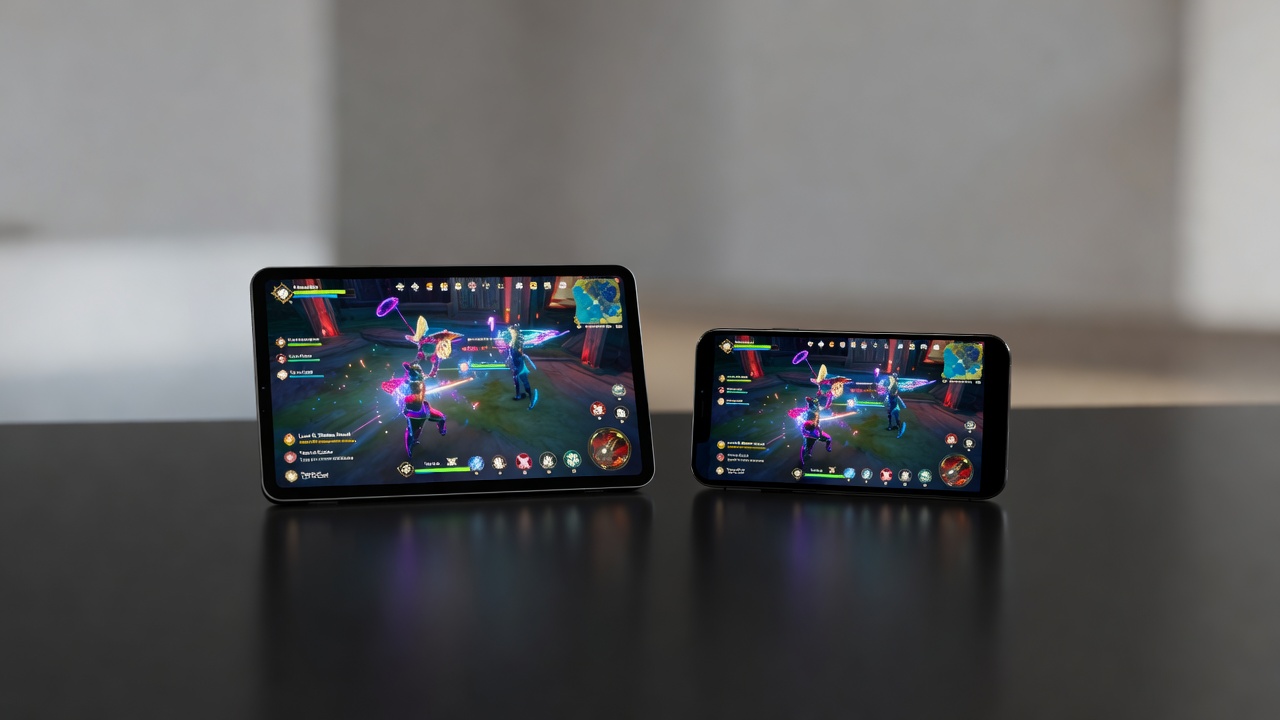
If you are going to spend hours on a casino, your device choice is infrastructure, not preference. The differences between phone and tablet affect session length, variance perception, and decision quality.
Phone advantages: portability, always in pocket, easy to close the browser when the session goes bad. Tablets are heavier, require intentional carrying, and create a more stationary play environment. This sounds trivial but behavioral research shows that commitment to staying in the session increases with device friction; a tablet creates higher friction and thus longer sessions. Longer sessions means more exposure to variance. This benefits the house, not you.
Screen real estate favors tablets. Paytables are easier to read on a 10-inch screen. You can see odds more clearly, see game controls more distinctly, and make decisions without squinting at small text. This sounds beneficial for you but it also increases engagement. Better visual presentation makes the game more appealing, which makes stopping harder.
Latency matters more on phones. Network connections are less stable on mobile data. A momentary lag on a phone during a critical moment (when you are deciding to hit or stand, deciding to place a bet) creates micro-interruptions that fragment attention. Tablets on wifi experience fewer micro-interruptions. Fewer interruptions means better engagement, which again favors longer sessions.
Phones create natural session breaks. You get a notification, you pick up the phone for something else, you close the casino app to respond. Tablets in a quiet session offer fewer exit points. You are in the app; you stay in the app longer.
Mobile Interface Design and Decision Quality
Mobile casino apps are designed for thumb control. Buttons are placed where thumbs naturally reach. This creates a specific hand position and posture. Research in embodied cognition shows that posture affects decision-making; sitting forward with active hand engagement creates different psychological states than passive lounging with a tablet. Phone play induces slightly more active, slightly more aggressive decision making.
Tablets encourage passive consumption. You recline, you hold the device at arm distance, you become a viewer rather than an active player. This passivity correlates with longer session length and higher losses in observational studies. When you are passive, you are less critical; you accept outcomes more readily.
Bet sizing is affected. Phones show one bet-size button at a time in many games. Tablets show multiple options simultaneously. Simultaneous display of options slows decision-making; you must evaluate each choice. Sequential display (which phones force) speeds decisions; you choose what is presented. Faster decision-making correlates with larger average bets.
Sound matters more on tablets because of speaker size. Tiny phone speakers make slot audio tinny and distant. Larger tablet speakers make audio immersive. The audio design of casinos is engineered to encourage play; better audio means more persuasive reinforcement. Phone audio is naturally muted; tablet audio is naturally amplified.
The device you choose determines the session structure before you place the first bet.
Temperature management affects session comfort. Extended phone use generates more body heat due to screen proximity and active hand engagement. Heat creates fatigue. Fatigue ends sessions. Tablets generate less localized heat. Sustained comfort enables sustained play.
One technical advantage of phones: web browser version differs. Most phones use mobile browsers that page-break long content into scrollable sections. This creates natural pause points. Tablets use desktop browsers on many sites, which display full paytables and full information without scrolling. More visible information creates better initial decision-making but worse impulse control as you see the whole game at once.
For sessions where you want to minimize play time and minimize damage, phone plus mobile network (not wifi) is better. The friction is your friend. For sessions where you are committed to extended play and want to optimize for decision quality, tablet with stable wifi is preferable but will cost you more money over time due to longer engagement.
Most casual players do not think about this. They play on whatever device is handy. That indifference is the house's advantage. Deliberate choice about device, considering session goals, is uncommon and probably saves more money than any other single decision.
Keep reading
Same market
 MobileHTML5 and the Quiet Revolution in Mobile Gaming
 MobileWhy a 6.1-Inch iPhone Changed How Players See Their Hands
 BonusesPirate-Themed Slots With the Best Bonus Features
 BaccaratThe Best Way to Learn Baccarat Without a Coach
 MobileMobile Casino Apps vs Mobile Browser: Which Should You Use?
 Crypto GamblingCold Storage vs Hot Wallets for Gambling Bankrolls