
Mobile Casino Apps vs Mobile Browser: Which Should You Use?
The choice between a native app and a mobile web browser feels small. In practice, it shapes how you gamble, what you spend, and how often you play.
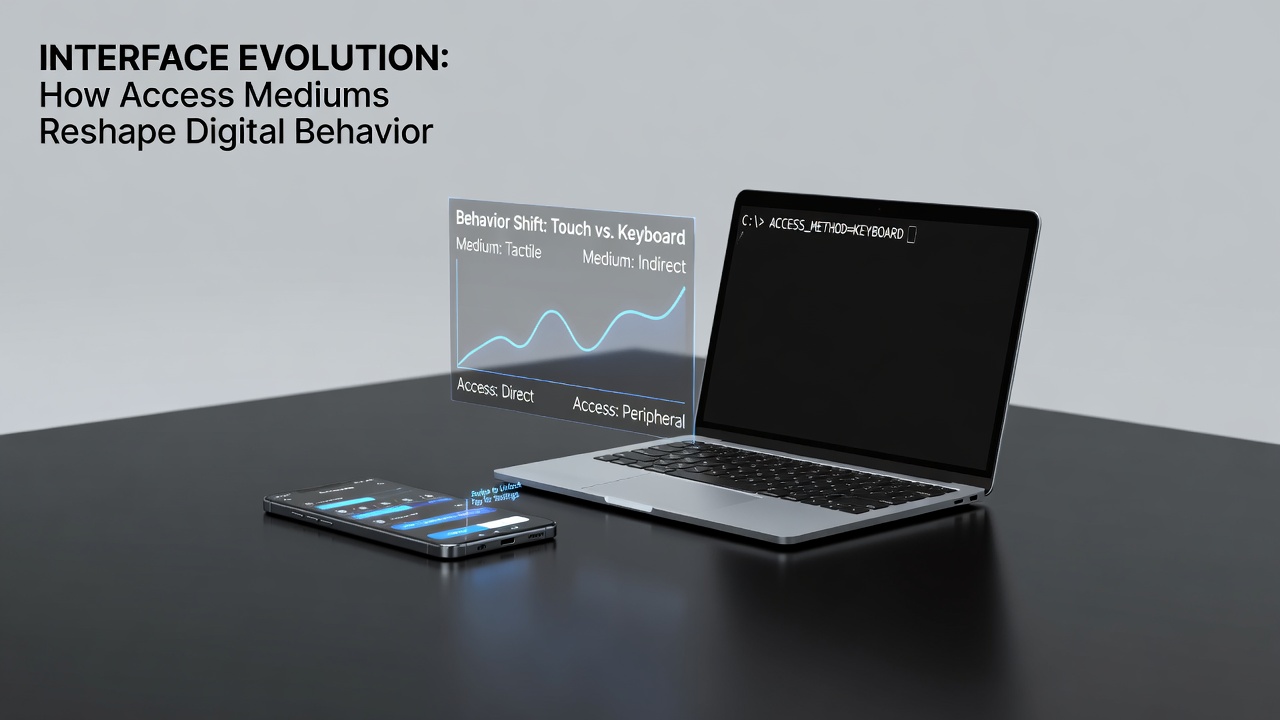
Sarah had been playing blackjack on her phone for three months before she noticed the difference. She'd installed the DraftKings app back in January after her friend mentioned it at a coffee shop, but for the first two weeks she kept forgetting her password and playing through the mobile website instead. By March, she was almost exclusively using the app.
She couldn't quite explain why. The app was faster, she thought. The games loaded quicker. But when she looked more carefully, something else had shifted. With the browser version, she had to actively navigate to the site. Open Safari, type the URL, wait for the page. It was friction. With the app, she flicked her thumb twice and she was in a game. Push notification: "Bonus spins are waiting." She tapped. Four more games. Twenty minutes vanished.
This is the mechanics of how mobile gambling works, and the choice between app and browser matters more than most players realize.
The technical difference is about friction
A native app lives on your phone like any other application. Once installed, it has direct access to your device's resources. It can store game state locally. It can use push notifications. It knows your location, your time zone, your usage patterns. The app can also load graphical assets faster because they're cached on your device rather than downloaded fresh each time.
A mobile browser version does none of that. Every page load requires new data to be downloaded. JavaScript must be re-parsed. Images must be fetched. The web version stores minimal data locally for security and privacy reasons. It cannot send push notifications without additional permissions. Navigation requires an extra step each time.
The gambling operator chooses this asymmetry deliberately. The app is designed to maximize engagement. Notifications push you toward "just one more hand." Session state is preserved perfectly. You close the app mid-game and come back later; the table is exactly as you left it. With the browser, the experience is stateless. You close your browser tab and start fresh next time.
Why operators prefer apps
The business logic behind app encouragement is straightforward. An operator that can measure every micro-interaction users make will refine their product better than an operator who only sees crude transaction data. The app collects session duration, bet frequency, time between bets, the exact moment the user pauses (signaling indecision), the exact moment they resume (signaling recommitment).
This behavioral data feeds directly into game design. Does the user hesitate after three losses? Add a visual incentive to keep playing. Does the user tend to play longer at 11 PM? Send the notification at 10:50 PM.
Operators claim this is purely UX improvement. The data helps them optimize the game experience. This is true. It also allows them to optimize the player's spending. These are not in conflict. Better UX and higher spend often move together.
Apps also solve a technical problem that browsers cannot: authentication. A web-based casino requires you to log in each session (or nearly). An app can maintain a persistent session. You install it once, authenticate once, and you're logged in indefinitely. This is more convenient. It is also more habitual. You see the app icon on your phone, you feel the urge to tap it, you're playing before you've fully decided to play.
The browser's quiet advantages
A browser version forces deliberation. You have to navigate to the site. This small friction point (typing a URL, finding a bookmark) creates a moment of decision-making. You're more likely to notice you've been playing for three hours if you had to consciously navigate to the page three times. With the app always present, that awareness vanishes.
Browsers also limit the operator's data collection. A web browser doesn't reveal your location, your device type, your OS version. It doesn't send back your time zone. The gambling site knows only what you explicitly enter. An app sends constant telemetry. For a privacy-conscious player, the browser is superior.
Cash-out mechanics sometimes differ. Some operators make the cash-out process faster in the app. Others require additional confirmation steps in the browser. This is subtle but real. If you're trying to withdraw a large win, the operator would prefer you to complete that withdrawal through the app (where they can track why you're leaving) rather than the browser.
The actual math
Operators' internal data (shared with gaming regulators) shows that app users spend 30 to 40 percent more per month than browser users on the same operator. This is not because app users are less rational. It is because the app is engineered to extend play through reduced friction and increased notification volume.
Browser users show higher cashout rates (pulling wins out of their accounts faster). App users show more re-deposits (adding funds more frequently after losses). The statistics differ by game type. Slots show the largest engagement difference (app users play 45 percent more slots sessions). Poker and sports betting show smaller differences (app users play 15 percent more sessions).
This is the design working exactly as intended. The app interface, the notification system, the persistent session, the cached game state: every element is calibrated to increase session frequency and length.
What the choice means
If you prefer to gamble moderately, choose the browser. Accept the friction. It is designed to be there. The extra step of navigating to the site creates a moment where you can ask yourself whether you really want to play right now. Most players who switch from app to browser report decreased spending. This is not a coincidence.
If you prefer the convenience of the app, understand what convenience costs. The app will notify you at times when you were not actively thinking about gambling. The app will remember your last session and invite you back. These are features. They are also designed to increase your play.
Neither choice is objectively better. The browser offers discipline. The app offers convenience. The choice you make shapes how much you play, how often, and what you spend. Make that choice consciously, because the operator certainly did.
Keep reading
Same market
 MobileHTML5 and the Quiet Revolution in Mobile Gaming
 MobileWhy a 6.1-Inch iPhone Changed How Players See Their Hands
 MobileTablet vs Phone for Online Casino Play
 BonusesPirate-Themed Slots With the Best Bonus Features
 BaccaratThe Best Way to Learn Baccarat Without a Coach
 Crypto GamblingCold Storage vs Hot Wallets for Gambling Bankrolls